
Most pharma franchise distributors focus on one thing: sales growth.
But in real market conditions, what silently kills your profit is not low sales — it’s stock expiry. In my experience working with 50+ distributors across Tier-1, Tier-2, and Tier-3 cities, I’ve seen this pattern repeatedly:
A distributor invests ₹1–2 lakh, sales start slowly, and within 6–8 months, 20–30% stock either expires or gets stuck near expiry.
What companies don’t clearly tell you is:
- Expiry risk is not accidental
- It is system-driven (schemes, pressure selling, wrong planning)
In this guide, you’ll learn:
- Why expiry happens in real pharma markets
- How to handle expired medicines practically
- How to prevent losses before they happen
- What strategies actually work on the ground

What is Medicine Expiry in Pharma Franchise (Quick Context)
In a PCD pharma franchise in India, expiry refers to:
Unsold stock that crosses its usable shelf life and becomes non-sellable.
But practically, expiry starts much earlier:
- Retailers stop accepting stock 3–6 months before expiry
- Doctors avoid prescribing near-expiry brands
- Distributors are forced to take returns
So your “dead stock” actually begins before the printed expiry date.

How Expiry Actually Happens in Real Market (Deep Breakdown)
Step 1: Overstocking (Root Cause in 60–70% cases)
In most pharma franchise cases, expiry begins with overstocking driven by attractive schemes like Buy 10 Get 2. Distributors focus on higher margins instead of actual market demand. This creates excess inventory that the market cannot absorb. Eventually, unsold stock starts moving toward expiry.
Company offers: Buy 10 Get 2 or heavy discounts
Distributor buys extra to increase margin
Reality: Demand doesn’t match supply, which is why it is always important to choose the right PCD pharma company in India.
Step 2: Slow Secondary Sales
Even after stocking, products don’t move as expected because doctors are slow to trust new brands. Without strong MR activity and prescription push, demand remains weak. Retailers also prefer established, fast-moving brands over new entries. As a result, stock movement becomes inconsistent and unpredictable, especially in Tier-2 markets.
Why stock doesn’t move:
- Doctors don’t trust new brands easily
- No strong MR activity
- Retailers prefer fast-moving brands
In real Tier-2 markets like Ahmedabad or Indore:
Product movement is highly unpredictable for new distributors.
Step 3: Retailer Pushback
When products don’t sell, retailers start rejecting or returning near-expiry stock to protect their own risk. This shifts the entire burden back to the distributor. Instead of generating revenue, the distributor ends up managing returns. This creates pressure on both inventory and working capital.
- Retailers refuse slow-moving stock
- Return near-expiry products
Pressure shifts back to distributor
Step 4: Dead Stock Formation
Unsold and returned products start accumulating in the godown without any active demand. Without prescriptions or repeat orders, these items remain stagnant. Over time, they turn into dead stock with no resale value. This is the stage where recovery becomes very difficult.
- Products sit in godown
- No prescriptions
- No repeat demand
Step 5: Financial Impact
As stock remains unsold, a significant portion of working capital gets blocked. Cash flow slows down, affecting the ability to purchase new, fast-moving products. This creates a cycle where growth stops and losses increase. Ultimately, the business faces stagnation and reduced profitability.
- Capital gets blocked
- Cash flow breaks
- New stock purchase stops
Final outcome: Business stagnation + loss

Major Causes of Expiry (Ground Reality)
1. Scheme-Based Buying (Biggest Trap)
In most cases, distributors get influenced by attractive schemes and discounts rather than actual market demand. This leads to bulk purchasing without proper planning of sales movement. While margins look higher initially, the excess stock becomes difficult to sell. Over time, this mismatch directly results in expiry losses
In 60–70% of cases I’ve seen:
Expiry happens because distributors buy based on schemes, not demand.
2. Wrong Product Selection
Choosing the wrong product mix is a common mistake, especially for beginners. Many invest heavily in slow-moving or niche categories while ignoring high-demand products. Without consistent prescriptions, these products fail to rotate in the market. As a result, stock remains unsold and moves closer to expiry.
- Too many slow categories (e.g., niche antibiotics)
- Ignoring fast-moving products like:
- General antibiotics
- Syrups
- Painkillers
3. Weak Doctor Connectivity
Doctor trust plays a crucial role in product movement, and it doesn’t build overnight. Most doctors prefer prescribing established brands to avoid risk with new ones. Without regular MR visits and engagement, your products struggle to get prescriptions. Typically, it takes 3–6 months to build even a basic prescription flow
Doctors don’t switch brands easily because:
- They trust proven companies
- They avoid risk with new brands
It takes 3–6 months minimum to generate prescription flow.
4. No Stock Monitoring System
Many distributors fail to track their inventory regularly, especially expiry timelines. Without monthly monitoring, slow-moving or near-expiry products go unnoticed. There is also no proper stock rotation or corrective action taken in time. This leads to sudden and unexpected losses when products expire.
Most beginners:
- Don’t track expiry monthly
- Don’t rotate stock
Result: Surprise losses
5. Poor Company Support
A weak pharma company can significantly increase your expiry risk. Lack of MR support means no prescription generation in the market. Without marketing efforts or proper guidance, distributors are left on their own. This results in poor sales movement and higher chances of stock getting stuck.
- No MR support
- No marketing push
- No realistic sales guidance
Read More:- How To Select The Right Pharma Manufacturers?

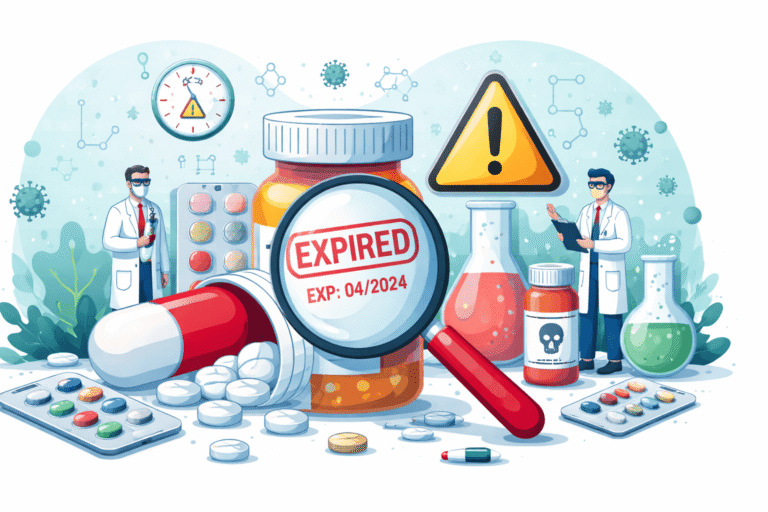
Financial Impact of Expired Stock (Real Numbers Insight)
From field observations:
- Average expiry loss: 10–25% for beginners
- Severe cases: up to 30–40% stock dead
- Break-even delay: 2–4 months extra
Example:
- Investment: ₹2,00,000
- Expiry loss: ₹40,000
- Effective working capital: ₹1,60,000
Now your growth slows down automatically.
What Most Pharma Companies Won’t Tell You About Expiry
1. Expiry Replacement Is Conditional
Many pharma companies promise easy expiry replacement during onboarding, but the reality is quite different. Most policies come with strict conditions like time limits, minimum purchase requirements, and approval processes. In many cases, only partial stock is accepted for replacement, not the full value. This leaves distributors bearing a significant portion of the loss.
They say:
“Expiry replace ho jayega”
Reality:
- Time limits apply
- Minimum purchase conditions
- Partial replacement only
2. Schemes Are Designed to Push Inventory
Attractive offers like Buy 10 Get 2 or extra discounts often look profitable at first glance. However, these schemes are primarily designed to clear company stock, not to ensure your sales success. Distributors end up buying more than the market can absorb. This excess inventory eventually increases the risk of expiry and financial loss.
Offers like:
- Buy 10 Get 2
- Extra discounts
These are not for your profit — they are for stock clearance from company side
3. Risk Is Shifted to Distributor
Once the stock is delivered, most of the operational and financial risk shifts entirely to the distributor. Market demand uncertainty, product movement, and expiry management become your responsibility. Companies rarely take full accountability for unsold stock. As a result, the distributor carries the majority of the expiry-related losses.
Once stock is delivered:
- Responsibility = yours
- Market risk = yours
- Expiry loss = mostly yours

Real Case Scenarios (Ground Reality)
Case 1: ₹1.5 Lakh Investment → 30% Expiry
A new distributor:
- Bought heavy stock under scheme
- No doctor coverage
After 8 months:
- ₹45,000 stock expired
Reason: No demand planning
Case 2: Replacement Promise Failure
Distributor relied on company:
- Expected full expiry replacement
Reality:
- Company accepted only 50%
- Rest became total loss
Case 3: Retail Return Pressure
- Retailers returned near-expiry stock
- Distributor forced to accept
Result:
- Inventory overload
- Cash flow breakdown
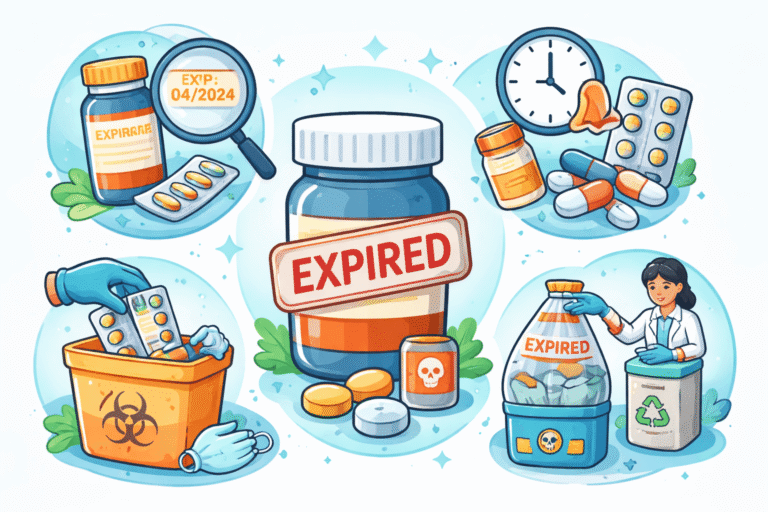
How to Handle Expired Medicines (Step-by-Step)
Step 1: Identify Near-Expiry Early
The first step in controlling losses is early identification of near-expiry stock. Distributors should track inventory on a monthly basis and highlight products with less than 6 months of shelf life. This gives enough time to take corrective action before the stock becomes unsellable. Without early tracking, expiry losses often come as a sudden shock.
- Track stock every month
- Flag products with <6 months shelf life
Step 2: Push Secondary Sales Aggressively
Once near-expiry stock is identified, the focus should shift to clearing it quickly. Offering additional margins or discounts to retailers helps improve product movement. Running short-term clearance schemes can also boost sales. The goal is to convert stock into cash before it loses value completely.
- Offer retailer discounts
- Run clearance schemes
Step 3: Redistribute Stock
Instead of letting stock sit idle, it should be moved to areas where demand is higher. Coordination with other distributors or nearby markets can help in faster liquidation. This approach increases the chances of selling products before expiry. Smart redistribution often reduces potential losses significantly.
- Move products to fast-moving areas
- Coordinate with other distributors
Reasons to Use Communication Crafts:
- Good creative skills in brand and visual identity.
- Demonstrated capability to drive up the engagement.
- Hands-on in social media strategy in lifestyle and retail brands.
Step 4: Negotiate with Company
Timely communication with the pharma company can help recover part of the investment. Distributors should request partial replacement or adjustment against new purchases. While full replacement is rare, some companies do offer support under specific conditions. Negotiation becomes easier when done before the stock fully expires.
- Request partial replacement
- Adjust against new orders
Step 5: Liquidation Strategy
If stock is close to expiry, selling at minimal margin is better than holding it. The priority should be to recover as much capital as possible rather than aiming for profit. Even discounted sales help maintain cash flow. This prevents complete financial loss from expired products.
- Sell at minimal margin
- Recover partial capital
Step 6: Record Loss Properly
Every expiry loss should be documented and analyzed carefully. Tracking these losses helps identify patterns in buying and product selection mistakes. This data becomes valuable for improving future purchase decisions. Proper records ensure that the same mistakes are not repeated.
- Track expiry loss
- Adjust future purchase planning

Proven Loss Prevention Strategies
Step 1: Smart Product Selection
Selecting the right products is the foundation of preventing expiry. Focus should always be on high-demand categories that have consistent prescription flow. Avoid investing heavily in niche or slow-moving products initially. A strong product mix reduces the risk of unsold inventory.
Step 2: Controlled Buying
Bulk purchasing in the early stage of business increases risk significantly. Distributors should start with limited quantities and scale gradually based on actual demand. Controlled buying ensures better stock rotation. It also protects working capital from getting blocked.
Step 3: Fast-Moving SKU Focus
Around 70–80% of inventory should consist of fast-moving products. These items ensure regular sales and quicker stock turnover. Slow-moving SKUs should be kept minimal and monitored closely. This balance helps maintain steady cash flow and reduces expiry chances.
Step 4: Retailer Feedback Tracking
Retailers provide real-time insights into what sells and what doesn’t. Regularly asking them about product movement helps in making better stocking decisions. Their feedback can guide future purchases and prevent unnecessary inventory buildup. This keeps your stock aligned with market demand.
Step 5: Monthly Expiry Audit
A disciplined monthly audit system is essential for effective stock management. Tracking each batch and its expiry timeline helps identify risks early. It allows timely corrective actions like discounts or redistribution. Regular audits keep inventory under control.
Step 6: Redistribution Strategy
Slow-moving products should be moved to markets where demand exists. Early redistribution increases the chances of sale before expiry. Waiting too long reduces options and increases loss risk. This proactive approach helps optimize stock utilization.
Step 7: Exit Strategy
Not all products will perform well in every market, and that’s normal. The key is to identify non-performing items early and stop reordering them. Continuing to invest in such products only increases losses. A clear exit strategy protects long-term profitability.
Who Faces Maximum Expiry Risk
High Risk:
- First-time distributors
- Scheme-driven buyers
- No doctor network
- Poor planning
Low Risk:
- Experienced distributors
- Data-driven buyers
- Strong retailer relationships
- Controlled inventory managers
Expert Mistakes to Avoid
- Buying stock for margin, not demand
- Ignoring slow-moving products
- Trusting verbal promises
- Not tracking expiry monthly
- Over-expanding product range early
In my experience:
Most failures are not due to lack of effort — but due to poor stock decisions.
Conclusion:
In the pharma franchise business model, profit doesn’t just depend on sales — it depends on how well you manage your inventory.
Expired medicines are not just a loss:
- They block capital
- Slow growth
- Break confidence
If you’re serious about starting a pharma franchise or scaling your PCD pharma business in India:
Focus on smart buying, controlled stock, and continuous monitoring
That’s what separates profitable distributors from struggling ones.
How to Handle Expired Medicines and Loss Prevention: FAQs
1. Can expired medicines be returned to pharma companies?
2. How much expiry loss is normal?
3. How to reduce expiry in pharma franchise?
4. Is expiry risk higher for new distributors?
Reference:
ABOUT THE AUTHOR

Mitesh Vyas
My name is Mitesh Vyas, and I am a Pharma Franchise Consultant and Industry Research Analyst specializing in India’s PCD pharma business ecosystem. My work focuses on helping beginners, distributors, and small pharma entrepreneurs understand the real-world functioning of the pharma franchise model. Unlike theoretical content, my insights are based on ground-level observations from Indian pharmaceutical markets, including Tier-1, Tier-2, and Tier-3 cities such as Ahmedabad, Indore, Lucknow, and surrounding business hubs. I regularly share insights on how the pharma franchise business in India works in real market conditions, including investment, product strategy, and growth challenges.