
The veterinary healthcare industry in India is growing rapidly due to increasing pet ownership, dairy farming, poultry production, and livestock healthcare awareness. As demand for quality veterinary medicines rises, many pharma companies, distributors, and entrepreneurs are entering the animal healthcare sector.
One of the most cost-effective ways to launch veterinary products without investing in a manufacturing facility is through Veterinary Third Party Manufacturing.
This model allows businesses to market veterinary medicines under their own brand while an experienced manufacturing company handles production, quality control, packaging, and regulatory compliance.
If you are new to the veterinary pharma industry, this guide will help you understand everything about veterinary contract manufacturing, its benefits, process, costs, opportunities, and key factors for success.
Why Do Businesses Choose Veterinary Third Party Manufacturing?
Veterinary Third Party Manufacturing allows companies to launch veterinary medicines under their own brand without setting up a manufacturing unit. The manufacturer handles product development, production, packaging, quality testing, and regulatory compliance. This model reduces investment, lowers operational risks, speeds up product launches, and helps businesses focus on sales and brand growth. It is an ideal solution for veterinary pharma startups, distributors, PCD franchise companies, exporters, and animal healthcare brands seeking cost-effective expansion.
What Is Veterinary Third Party Manufacturing?
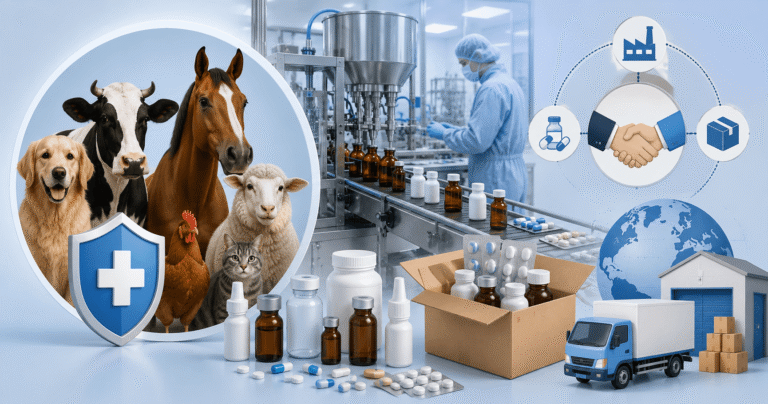
Veterinary Third Party Manufacturing is a business arrangement where a veterinary pharmaceutical company outsources product manufacturing to a certified manufacturer. The manufacturing company produces veterinary medicines according to the client’s specifications and branding requirements. To gain a deeper understanding of this process and its benefits, you can explore our complete guide to veterinary third-party manufacturing.
The client owns the brand and marketing rights, while the manufacturer manages:
- Raw material procurement
- Production
- Quality assurance
- Packaging
- Product testing
- Documentation
- Regulatory compliance
This model is also known as:
- Veterinary contract manufacturing
- Vet pharma third party manufacturing
- Private label veterinary manufacturing
- Animal healthcare manufacturing outsourcing
Understanding Veterinary Medicine Manufacturing
Veterinary medicine manufacturing involves the production of pharmaceutical products designed specifically for animals.Manufacturers follow strict quality standards to ensure safety, efficacy, and consistency.
| Product Category | Examples |
|---|---|
| Antibiotics | Oxytetracycline, Enrofloxacin |
| Anthelmintics | Albendazole, Fenbendazole |
| Feed Supplements | Mineral mixtures, Vitamins |
| Injections | Calcium, Antibiotic injections |
| Boluses & Tablets | Deworming tablets |
| Oral Liquids | Liver tonics, Digestive syrups |
| Powders | Poultry supplements |
| Herbal Veterinary Products | Immunity boosters |
How Veterinary Contract Manufacturing Works
Step 1: Product Selection
Choose products based on market demand.
Examples:
- Veterinary antibiotics
- Feed supplements
- Poultry medicines
- Cattle healthcare products
- Pet care medicines
Step 2: Finalize Formulation
Discuss the required formulation, composition, and strength of the veterinary products with the manufacturer to ensure they meet market and regulatory requirements. Finalizing these specifications helps maintain product quality, effectiveness, and consistency during production.
Step 3: Brand Registration
Finalize:
- Brand name
- Product labels
- Packaging design
Step 4: Documentation
Submit all required business documents, licenses, and approvals to proceed with the manufacturing process. Proper documentation ensures compliance and enables a smooth partnership setup.
Step 5: Manufacturing
Once the specifications are approved, the manufacturing process begins according to agreed formulations and standards. Production is carried out using advanced facilities and quality procedures.
Step 6: Quality Testing
All products undergo strict quality control and testing to ensure safety, effectiveness, and compliance with industry standards. This step helps maintain consistent product quality.
Step 7: Delivery
After successful testing, the finished products are packaged and delivered with all required documentation. Timely delivery ensures a seamless supply process for your business.
Benefits of Veterinary Third Party Manufacturing
1. Low Initial Investment
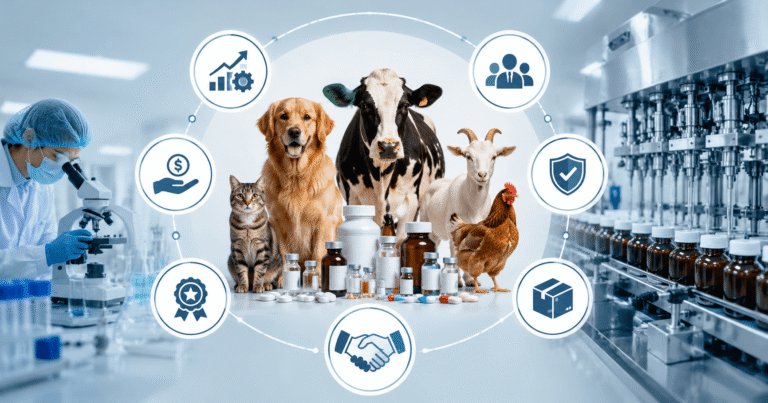
Veterinary third-party manufacturing helps businesses start with lower capital requirements. There is no need to invest in manufacturing equipment, production facilities, laboratory setup, or skilled manpower, while many companies also prefer manufacturers that follow quality standards aligned with the World Health Organization guidelines.
2. Faster Market Entry
Products can be launched much faster through third-party manufacturing compared to establishing your own manufacturing facility. This allows businesses to enter the market quickly and gain a competitive advantage.
3. Access to Expertise
Experienced manufacturers provide valuable technical knowledge, strong quality control systems, and regulatory expertise. Their support ensures smooth production and high-quality standards.
4. Product Variety
Third-party manufacturing gives businesses the flexibility to introduce a wide range of veterinary products. It helps expand product portfolios without manufacturing limitations.
5. Better Profit Margins
Brand owners can focus on core activities such as marketing, distribution, and customer acquisition. This often improves efficiency and contributes to higher profitability.
6. Reduced Business Risk
Manufacturing-related responsibilities and operational challenges are managed by the contract manufacturer. This reduces risks and allows businesses to focus on growth
Key Features of a Reliable Vet Pharma Third Party Manufacturing Company
1. Regulatory Compliance
Ensure the manufacturing company follows all required regulatory standards and possesses necessary certifications. GMP certification, manufacturing licenses, and strong quality systems indicate reliability and compliance.
2. Product Portfolio
A manufacturer with a wide product portfolio provides greater flexibility for business growth. It allows you to expand your offerings and meet diverse market demands.
3. Quality Assurance
The manufacturer should follow strict quality assurance processes, including raw material testing, stability testing, and finished product testing. This helps ensure product safety and consistency.
4. Packaging Capabilities
Professional and attractive packaging improves product presentation and strengthens brand credibility. Quality packaging also helps maintain product integrity.
5. Timely Delivery
Consistent and on-time delivery plays an important role in maintaining product availability. It supports business growth and helps build customer trust.
6. Technical Support
Reliable manufacturers provide technical assistance throughout the process. They can help with product selection, documentation, and label approval requirements.
Popular Veterinary Product Segments
Livestock Healthcare
Products for:
- Cattle
- Buffalo
- Sheep
- Goats
Poultry Healthcare
Includes:
- Growth promoters
- Feed supplements
- Antibiotics
- Immunity boosters
Companion Animal Care
Products designed for:
- Dogs
- Cats
- Exotic pets
Aquaculture Products
Medicines and supplements for fish farming.
Composition and Manufacturing Standards
In veterinary medicine manufacturing, product composition depends on therapeutic requirements.
Common ingredients include:
Antibiotics
- Enrofloxacin
- Oxytetracycline
- Amoxicillin
Vitamins
- Vitamin A
- Vitamin D3
- Vitamin E
- Vitamin B Complex
Minerals
- Calcium
- Phosphorus
- Zinc
Herbal Extracts
- Ashwagandha
- Giloy
- Shatavari
Manufacturers source pharmaceutical-grade raw materials and follow standardized manufacturing practices.
Are There Any Side Effects?
Side effects vary depending on the product category and active ingredients.
Possible reactions may include:
- Digestive discomfort
- Allergic responses
- Reduced appetite
- Temporary lethargy
Important:
Veterinary medicines should always be used under the guidance of a qualified veterinarian. Dosage and treatment duration may vary by species, weight, age, and medical condition.
Dosage Information
Dosage differs for:
- Cattle
- Poultry
- Pets
- Sheep and goats
- Aquaculture species
Always follow:
- Product label instructions
- Veterinary recommendations
- Regulatory guidelines
Never administer medicines without proper veterinary consultation.
Veterinary Third Party Manufacturing vs Own Manufacturing
| Factor | Third Party Manufacturing | Own Manufacturing Unit |
|---|---|---|
| Investment | Low | Very High |
| Infrastructure | Not Required | Required |
| Workforce | Minimal | Large Team Needed |
| Risk Level | Lower | Higher |
| Product Launch Time | Faster | Slower |
| Compliance Burden | Lower | Higher |
| Scalability | Easy | Complex |
Market Demand and Business Opportunity
The Indian animal healthcare market continues to expand because of:
- Rising dairy production
- Growth in poultry farming
- Increasing pet ownership
- Awareness of preventive animal healthcare
- Demand for quality veterinary medicines
Business opportunities exist for:
- Veterinary PCD franchise companies
- Pharma distributors
- Wholesalers
- Exporters
- Veterinary product marketers
- Entrepreneurs entering animal healthcare manufacturing
The demand for veterinary contract manufacturing services is expected to remain strong as more companies seek cost-efficient production solutions.
Expert Recommendations Before Starting
1. Research Market Demand
Analyze market trends and identify veterinary products with consistent demand. Understanding customer needs helps in selecting products with strong growth potential.
2. Start With a Focused Product Range
Avoid launching too many products at the beginning of your business journey. Starting with a focused product range allows better management and market positioning.
3. Verify Manufacturing Credentials
Always evaluate the manufacturer’s certifications, production capabilities, and quality systems. Choosing a reliable partner ensures product quality and regulatory compliance.
4. Invest in Branding
Strong branding helps create a unique identity and increases customer trust. A recognizable brand also improves market visibility and long-term business value.
5. Build Distribution Networks
A strong distribution network is essential for reaching target customers effectively. Wider product availability directly supports business expansion and sales growth.
6. Prioritize Product Quality
Maintaining high product quality helps build customer satisfaction and loyalty. Quality products often generate repeat business and support sustainable growth.
Conclusion
Veterinary Third Party Manufacturing offers an excellent opportunity for entrepreneurs, distributors, and veterinary pharma companies looking to enter the animal healthcare sector without making large infrastructure investments.
With low startup costs, faster product launches, access to manufacturing expertise, and growing market demand, veterinary contract manufacturing has become one of the most preferred business models in the veterinary pharmaceutical industry.
Veterinary Third Party Manufacturing - FAQs
What is Veterinary Third Party Manufacturing?
Who can start a veterinary third-party manufacturing business?
Is veterinary contract manufacturing profitable?
Can I launch my own veterinary medicine brand?
Is GMP certification important?
ABOUT THE AUTHOR

Mitesh Vyas
My name is Mitesh Vyas, and I am a Pharma Franchise Consultant and Industry Research Analyst specializing in India’s PCD pharma business ecosystem. My work focuses on helping beginners, distributors, and small pharma entrepreneurs understand the real-world functioning of the pharma franchise model. Unlike theoretical content, my insights are based on ground-level observations from Indian pharmaceutical markets, including Tier-1, Tier-2, and Tier-3 cities such as Ahmedabad, Indore, Lucknow, and surrounding business hubs. I regularly share insights on how the pharma franchise business in India works in real market conditions, including investment, product strategy, and growth challenges.