
Most pharma companies don’t have a lead problem — they have a conversion and retention problem.
Every day, leads come from IndiaMART, websites, WhatsApp, and referrals. But here’s the ground reality:
- Only a small percentage actually place an order
- Even fewer become repeat clients
- And hardly any turn into long-term distributors
In 60–70% of pharma leads I’ve seen across Tier-2 markets like Ahmedabad, Indore, and Lucknow, the issue is not demand — it’s mistrust, poor follow-up, and weak onboarding systems.
Most companies focus on:
- Price lists
- Product catalogs
- “Monopoly rights” promises
But ignore:
- Lead psychology
- Trust-building
- Post-sale retention
This blog breaks down what actually works in the PCD pharma business in India — not theory, but field-tested systems.
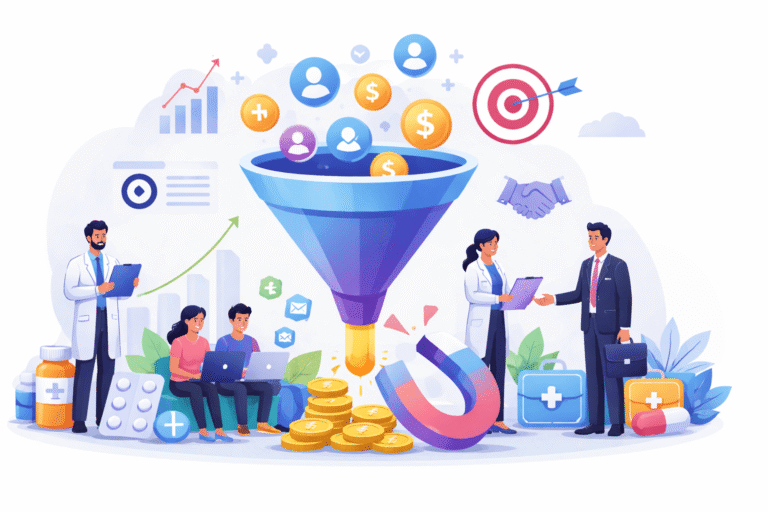
Understanding Pharma Leads
Before you even think about converting leads, understand this:
All pharma leads are not equal.
In my experience working with 50+ distributors:
- 20–30% are just exploring
- 40–50% are comparing multiple companies
- Only 10–20% are serious buyers
Types of Leads You’ll Face
Price Hunters
In my experience, these are the most common types of leads in the PCD pharma business in India. They usually open the conversation with “What was the best rate” because their primary concern is margin, not long-term growth. They often compare multiple companies and switch quickly if they find slightly better pricing. Unless you shift their focus from price to product movement and support, they rarely become stable, long-term clients.
Opportunity Seekers
These are serious prospects who are exploring starting a pharma franchise or expanding in a new area. They care about monopoly rights, marketing support, and long-term business potential rather than just pricing. With proper guidance, transparent communication, and realistic commitments, they can convert into loyal distributors. In 60–70% of successful long-term partnerships I’ve seen, the client started as an opportunity seeker.
Experienced Distributors
These leads already understand the pharma franchise business model and market dynamics. They don’t ask basic questions — instead, they evaluate you on supply consistency, product demand, and margin sustainability. They are cautious because they’ve faced issues like stock delays or poor support in the past. If you meet their expectations, they can become high-value, repeat-order clients with strong market networks.
Mistake most companies make:
Treating all leads the same → Result: Low conversion + wasted time

Pharma Lead Conversion Funnel
1. Lead Generation
Sources:
- IndiaMART
- Website SEO (for “PCD pharma franchise in India”)
- Referrals
- Field contacts
Reality: Lead quality varies drastically. Most leads are cold and unqualified.
2. First Interaction (Critical Stage)
This is where 70% of companies fail.
Common mistakes:
- Sending price list immediately
- No personalization
- Delayed response (after 2–3 hours)
What actually works:
- Respond within 5–10 minutes
- Ask qualification questions:
- Location?
- Experience?
- Investment capacity?
Cause → Behavior → Outcome
Slow reply → Lead loses interest → Moves to competitor
3. Follow-Up Psychology
Most pharma companies either:
- Over-follow (spam calls), OR
- Don’t follow at all
In real markets, trust takes 15–30 days minimum.
Leads don’t convert instantly because:
- They are comparing options
- They fear fraud/low-quality products
- They want proof, not promises
4. Trust-Building Phase
This is the most ignored stage.
What builds trust:
- Consistent follow-up
- Sharing real dispatch proofs
- Showing existing distributor network
- Clear communication (no fake promises)
5. First Order Conversion
In real market conditions, the first order is only a trial, not a success milestone. Distributors place an initial order to test product quality, delivery speed, and company commitment — not to build a long-term relationship immediately. In my experience, if there is no proper follow-up, product movement support, and communication after this stage, 60–70% of these clients never reorder. The real business begins when you convert that first order into consistent repeat demand and trust.
6. Retention → Repeat Orders → Long-Term Client
Repeat orders decide 80% of business success.
If a distributor doesn’t reorder:
- Either product didn’t move
- Or support was missing
- Or trust broke
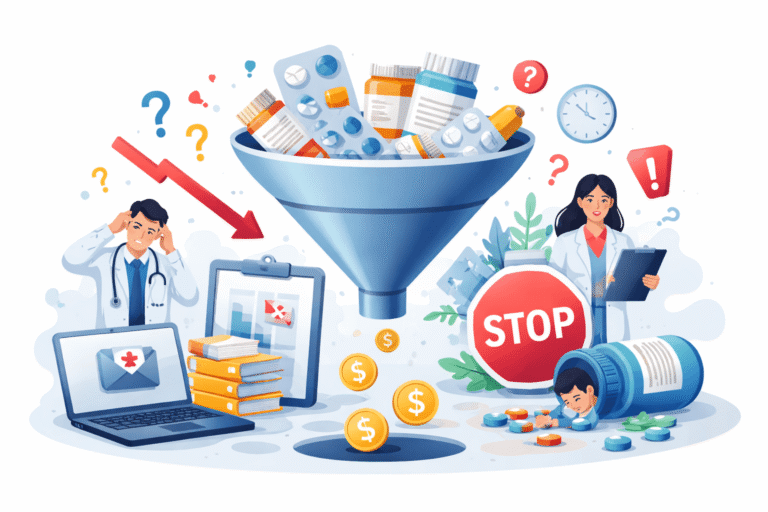
Why Most Pharma Leads Never Convert
1. Price-First Mentality
Why leads ask price first:
- Market is highly competitive
- Distributors assume all products are same
- Margin = survival
Outcome: Companies enter price war → Lose brand value
2. Over-Comparison Behavior
Most leads compare 5–10 companies before deciding.
Cause:
- Low switching cost
- Easy access to suppliers
Outcome:
- Delayed decisions
- Confusion → No conversion
3. Trust Deficit
In 70% of cases I’ve seen, leads hesitate due to:
- Fear of fake monopoly
- Supply inconsistency
- Poor product quality
4. Weak Follow-Up Systems
Random follow-up = lost deals
Smart follow-up = structured + timed + value-driven
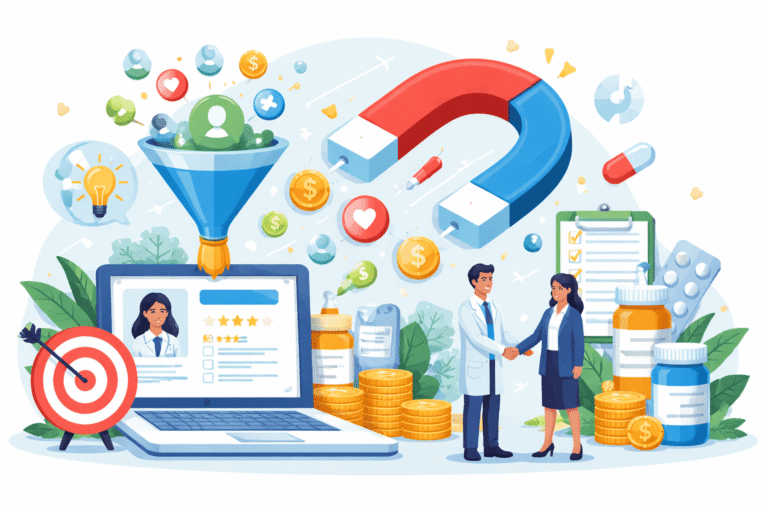
How To Convert Leads Into Long-Term Pharma Clients
7-Step Pharma Lead Conversion System
Step 1: Lead Qualification
Focus on serious prospects who are actually capable of starting or expanding a pharma distribution setup, rather than targeting random inquiries with no real intent to enter the PCD pharma franchise business in India.
Step 2: Quick Response System
Speed is a major competitive advantage in pharma lead conversion. Most leads contact 3–5 companies at the same time, and the one who responds first often wins attention. A response within 5–10 minutes shows professionalism and seriousness. Delayed replies usually result in lost opportunities, especially on platforms like IndiaMART.
Step 3: Needs Analysis
Instead of pushing products, understand the distributor’s market, competition, and goals. Ask about their location, doctor coverage, and previous experience. This helps you recommend relevant products that actually sell in their area. In my experience, proper needs analysis directly improves long-term retention.
Step 4: Value Presentation
Sending a price list without context is one of the biggest mistakes pharma companies make. You should explain why certain products will work, their demand, and expected margins. Distributors care about movement, not just cost. When you connect products with real market demand, your credibility increases.
Step 5: Trust Building
Pharma is a trust-driven industry where wrong decisions can lead to financial loss. Instead of making big promises, share real proofs like dispatch records, existing clients, or product feedback. In 60–70% of cases I’ve seen, leads convert only after they feel confident about consistency and support. Trust is built through transparency, not marketing claims.
Step 6: Smart Closing
Closing should feel like a logical next step, not pressure. Offer genuine benefits like limited schemes or onboarding support, but avoid fake urgency. A clear and simple onboarding process reduces hesitation. In my experience, leads convert faster when they understand exactly what happens after payment.
Step 7: Post-Sale Engagement
Most companies stop communication after the first order, which is a critical mistake. Regular follow-up helps ensure product movement and solves early issues. This stage decides whether the distributor becomes a repeat client or drops off. Long-term pharma clients are built through consistent support, not just one-time sales.
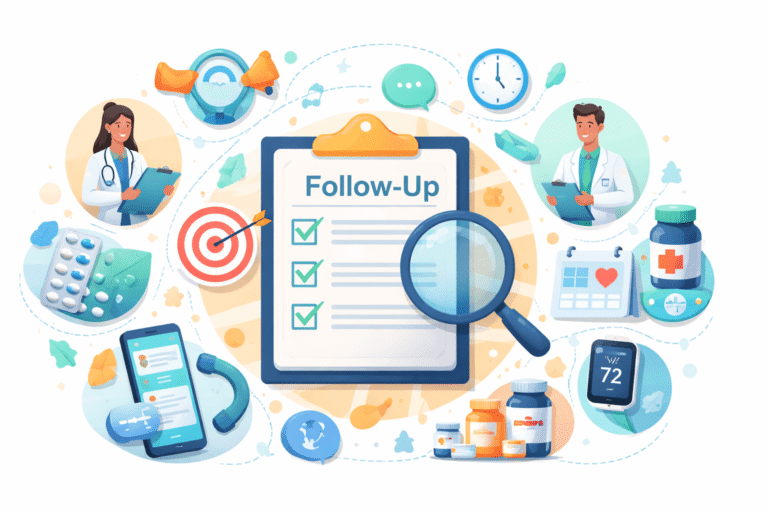
Follow-Up Framework
Day 1: Introduction + Requirement
The first interaction should focus on understanding, not selling. Ask practical questions about location, experience, and investment to assess seriousness. In my experience, leads feel more comfortable when they are heard rather than pitched immediately. This sets the foundation for trust and meaningful follow-up.
Day 2: Product Discussion
Now that you understand their needs, suggest products based on their market potential. Instead of sending a full list, highlight a few relevant options with expected demand and margins. This shows you are thinking from their business perspective, not just pushing inventory. Practical clarity at this stage improves engagement.
Day 4: Address Doubts
By this time, most leads develop concerns around pricing, quality, or monopoly rights. Address these honestly with clear explanations and real examples. In 60–70% of cases, conversion depends on how well doubts are handled. Transparency here directly builds confidence.
Day 7: Share Success Examples
This is the stage to reinforce credibility with real outcomes. Share examples of existing distributors, product movement insights, or market performance. In my experience, people trust proof more than promises. Seeing real success helps reduce hesitation and strengthens decision-making.
Day 10+: Gentle Reminders
At this stage, avoid aggressive follow-ups and focus on staying relevant. A simple check-in with value or updates keeps the conversation alive without pressure. Many leads convert late after comparing options, so consistency matters. Long-term clients are often built through patient, respectful follow-up.
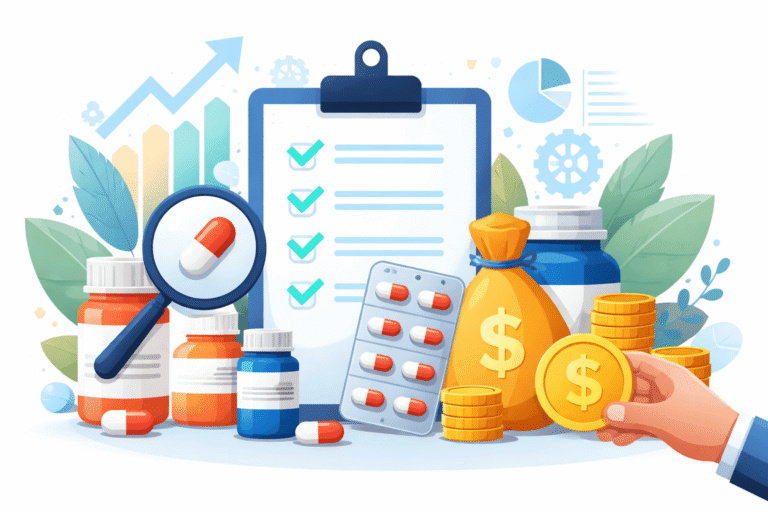
Distributor Retention Strategy Model
To build long-term clients:
- Ensure fast-moving products
- Maintain stock availability
- Provide marketing support
- Stay in touch weekly
Real Market Benefits
Yes, strong conversion systems can:
- Increase lead conversion rate from 10% → 25–30%
- Improve repeat orders significantly
- Build stable distributor network
BUT ONLY IF:
- Product quality is consistent
- Supply chain is reliable
- Communication is honest
Hidden Challenges & Failure Points
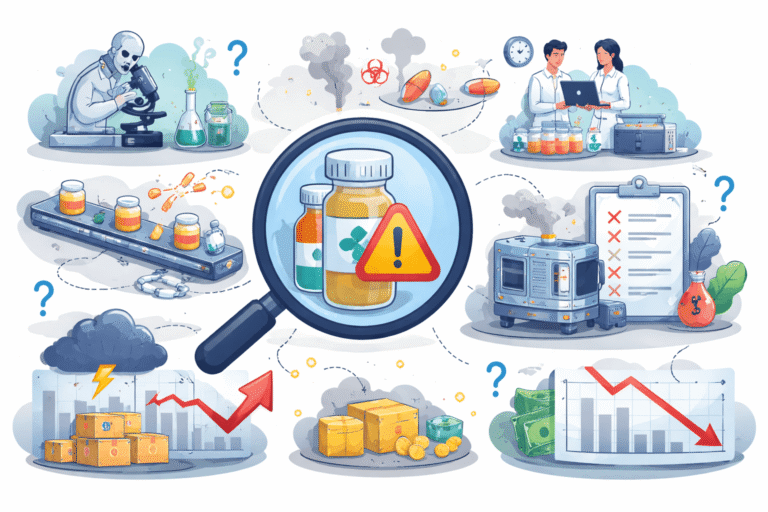
- Low-quality leads from portals
- Price competition pressure
- Distributor inactivity after onboarding
- Credit cycle delays
In real Tier-2 markets, cash flow becomes the biggest issue if retention fails.
What Most Pharma Companies Won’t Tell You About Lead Conversion
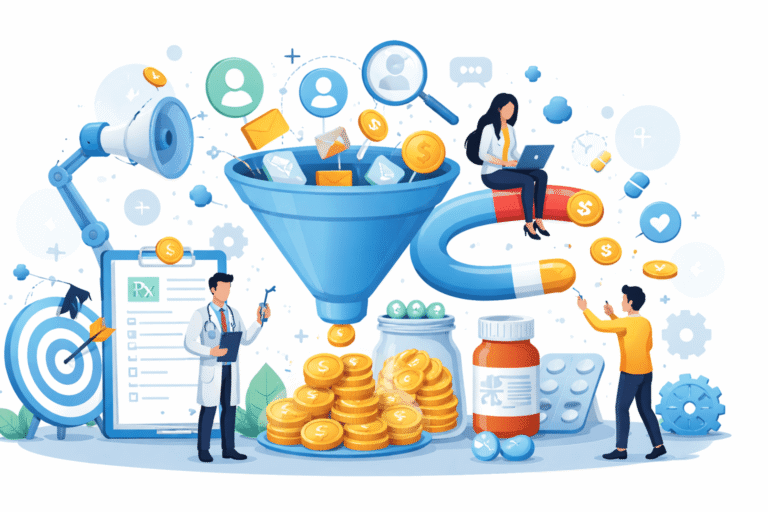
- They promise monopoly to multiple distributors
- They push low-demand products
- They ignore distributors after first order
- They rely heavily on cheap leads
Reality:
Lead generation is easy.
Retention is the real business.
Case 1: IndiaMART Lead Lost
In real lead environments like IndiaMART, speed directly impacts conversion. A 6-hour delay signals lack of seriousness, especially when the lead is actively exploring multiple options. In my experience, the first responder often sets the conversation direction and builds early trust. Missing that window usually means the lead mentally commits to a competitor before you even reply.
Case 2: First Order But No Repeat
This is one of the most common failures in the PCD pharma business in India. The distributor tests the company with an initial order, but without product movement at the doctor level, confidence drops quickly. In 60–70% of such cases I’ve seen, lack of prescription support leads to zero repeat business. Without demand generation, even good pricing cannot sustain the relationship.
Case 3: Structured Follow-Up Success
A structured follow-up system brings discipline and consistency to the conversion process. Instead of random calls, the company engaged leads with timely, value-driven communication. This helped build trust over time, especially with hesitant prospects comparing multiple options. In my experience, such systems don’t just increase conversions — they improve the quality of long-term clients.
Who Should Focus on Lead Conversion
You SHOULD focus if:
- You run a pharma company
- You generate regular leads
- You want long-term distributors
You SHOULD NOT if:
- You rely only on price competition
- You cannot maintain supply consistency
- You don’t support distributors
Proven Action Plan
- Fix response time (under 10 minutes)
- Create lead qualification system
- Build follow-up calendar
- Train team on communication
- Focus on repeat orders, not just first sale
Expert Mistakes to Avoid
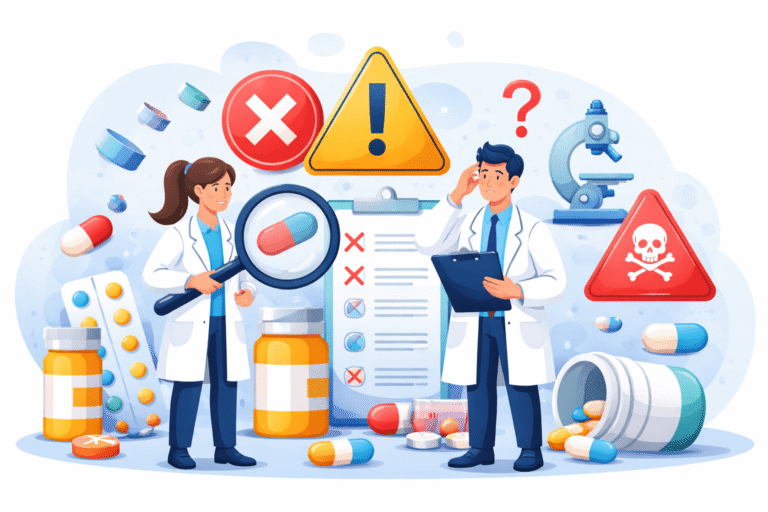
- Sending price list instantly
- Ignoring follow-ups
- Over-promising monopoly
- Targeting wrong leads
- No post-sale support
I’ve personally seen companies fail because they focused only on closing deals, not building relationships.
Conclusion
In the PCD pharma business in India, success doesn’t come from:
- More leads
- Lower prices
- Bigger product lists
It comes from:
- Better conversion systems
- Strong trust-building
- Consistent distributor support
If you want long-term pharma clients, shift your focus:
- From selling → to relationship building
- From lead generation → to lead nurturing
- From first order → to repeat business
That’s the real game.
How To Convert Leads Into Long-Term Pharma Clients? - FAQS
REFERENCES
ABOUT THE AUTHOR

Mitesh Vyas
My name is Mitesh Vyas, and I am a Pharma Franchise Consultant and Industry Research Analyst specializing in India’s PCD pharma business ecosystem. My work focuses on helping beginners, distributors, and small pharma entrepreneurs understand the real-world functioning of the pharma franchise model. Unlike theoretical content, my insights are based on ground-level observations from Indian pharmaceutical markets, including Tier-1, Tier-2, and Tier-3 cities such as Ahmedabad, Indore, Lucknow, and surrounding business hubs. I regularly share insights on how the pharma franchise business in India works in real market conditions, including investment, product strategy, and growth challenges.