
The demand for Ayurvedic products in India is rising steadily due to growing consumer preference for natural healthcare, preventive wellness, and traditional remedies. Categories such as immunity boosters, digestive formulations, skincare, hair care, and personal care products continue to see strong demand across urban and rural markets.
Demand for Ayurvedic products refers to the increasing consumer purchase and usage of herbal medicines, wellness supplements, and natural personal care products based on traditional Indian medicine principles. This demand is driven by health awareness, lifestyle disorders, and trust in long-established formulations.
From a pharmaceutical business perspective, Ayurveda is no longer a niche category. It has become a mainstream healthcare segment with strong retail pull, repeat consumption, and growing doctor acceptance. For distributors and franchise partners, this creates opportunities—but only when product quality, pricing, and supply reliability are carefully evaluated.
Why Is the Demand for Ayurvedic Products Increasing in India?
The rise in demand is linked to a clear shift in consumer behavior. Patients increasingly seek treatments that are perceived as natural, preventive, and suitable for long-term use.
Several factors are contributing to this trend:
- Greater awareness of immunity and wellness
- Increasing prevalence of chronic lifestyle disorders
- Preference for herbal and chemical-free products
- Wider availability through pharmacies and e-commerce
- Supportive government initiatives promoting Ayurveda
- Improved manufacturing standards under WHO-GMP-certified facilities
Products once considered household remedies are now professionally packaged, standardized, and distributed through structured pharmaceutical channels.
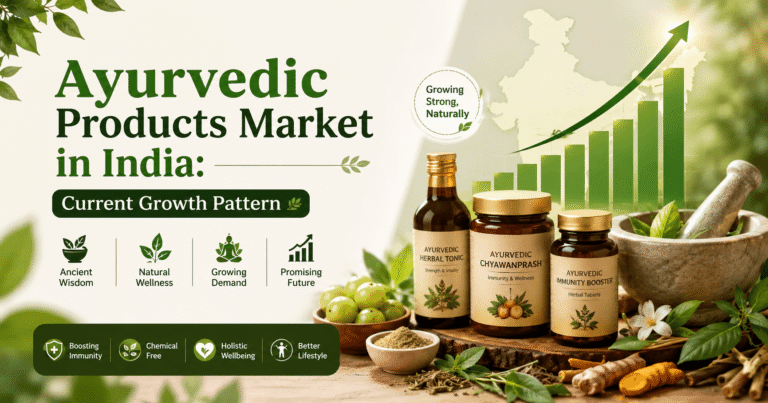
Ayurvedic Products Market in India: Current Growth Pattern
The Ayurveda segment has expanded beyond classical medicines to include nutraceuticals, personal care, and wellness products.
Major growth categories include: Demand For Ayurvedic products In India
- Immunity formulations
- Liver support products
- Joint care supplements
- Digestive medicines
- Women’s health products
- Hair oils and anti-hair fall products
- Skin and acne formulations
- Diabetic support supplements
The market is supported by both large organized companies and hundreds of third-party manufacturers serving PCD franchise networks.
Growth of Ayurvedic Industry in India
The growth of the Ayurvedic industry in India is being driven by a combination of consumer demand and stronger manufacturing infrastructure.
Key Growth Drivers
1. Preventive Healthcare Mindset
Indian consumers are increasingly investing in products that support immunity, digestion, stress management, and overall wellness. This shift toward prevention has significantly increased demand for Ayurvedic formulations designed for regular, long-term use.
2. Trust in Traditional Formulations
Herbs such as Ashwagandha, Giloy, Tulsi, Amla, and Neem have been used in Indian households for generations. Familiarity with these ingredients makes consumers more comfortable trying professionally packaged Ayurvedic products.
3. Expansion of Organized Retail
Ayurvedic products are now widely available through pharmacy chains, wellness stores, and e-commerce platforms. Greater accessibility has made it easier for consumers to compare, purchase, and reorder products across both metro and smaller cities.
4. Better Manufacturing Compliance
Companies operating in World Health Organization-GMP-certified facilities generally earn stronger trust from doctors, distributors, and consumers. Consistent manufacturing standards improve product quality, packaging reliability, and regulatory confidence.
5. Growing Medical Practitioner Adoption
Many doctors and healthcare practitioners now recommend selected Ayurvedic products as supportive therapies for chronic conditions and preventive care. This professional endorsement increases credibility and often leads to better prescription-driven sales.
Ayurveda Market Size in India: Why It Matters to Distributors
For distributors, market size matters less than product movement.
A large market does not guarantee business success. What matters is: Demand For Ayurvedic products In India
- Prescription support in your territory
- Retailer reorder frequency
- Competitive pricing
- Consumer repeat purchases
- Low return and expiry risk
A digestive syrup with steady monthly movement can be more profitable than a large product range with weak demand.
Most Popular Ayurvedic Products in India
High-Demand Ayurvedic Categories
| Category | Common Consumer Need |
|---|---|
| Immunity Boosters | Seasonal infections and general wellness |
| Digestive Syrups | Acidity, indigestion, and constipation |
| Liver Tonics | Appetite improvement and liver support |
| Joint Care | Arthritis, joint stiffness, and pain management |
| Hair Care | Hair fall, dandruff, and scalp nourishment |
| Skin Care | Acne, pigmentation, and overall skin health |
| Women’s Health | Menstrual support and hormonal balance |
| Diabetic Support | Blood sugar management and metabolic health |

Ayurvedic Medicine Market Demand in Retail Pharmacies
Urban Markets
Consumers often buy:
- Weight management products
- Stress relief supplements
- Skin and hair care formulations
- Immunity products
Semi-Urban and Rural Markets
Higher movement is typically seen in: Demand For Ayurvedic products In India
- Digestive products
- Liver tonics
- Cough syrups
- General health tonics
Local disease patterns and physician prescribing habits heavily influence demand.
Rising Demand for Herbal Products in India
The herbal healthcare market in India extends well beyond medicines.
High-growth segments include: Demand For Ayurvedic products In India
- Herbal cosmetics
- Oral care products
- Protein supplements
- Detox products
- Baby care products
This broadening consumer acceptance creates multiple revenue streams for Ayurvedic distributors.
Read More : Why Are Ayurvedic Products Growing In India?
What Pharmaceutical Distributors Should Understand
Many new entrants assume that because consumers prefer natural products, all Ayurvedic formulations will sell easily.
That assumption is inaccurate.
Actual sales depend on:
- Doctor recommendations
- Retail chemist confidence
- Product efficacy perception
- Price competitiveness
- Consistent stock availability
Even good products struggle when dispatches are delayed or packaging looks unprofessional.

Ground Reality: What Most Distributors Don’t Realize
Repeat Purchase Determines Success
Initial sales can be generated through doctor calls, samples, or promotional offers, but sustainable growth depends on whether patients reorder the product. Formulations that deliver visible results create consistent monthly demand and improve long-term profitability for distributors.
Expiry Risk Is Real
Slow-moving products can remain in stock for months and tie up working capital that could be used for faster-selling items. Without a clear expiry replacement policy, unsold inventory can directly reduce your margins.
Prescription Dependency Still Matters
Many ethical Ayurvedic formulations achieve stronger sales when recommended by doctors, Ayurvedic practitioners, or healthcare professionals. Even high-quality products may move slowly if they lack prescription support in your target territory.
Marketing Support Varies Widely
Some companies provide visual aids, samples, and promotional materials, while others offer very limited assistance after onboarding. Distributors should evaluate whether the company’s support translates into practical tools that help generate prescriptions and retailer orders in response to the growing market demand for Ayurvedic products.
Monopoly Rights Are Often Overestimated
Exclusive territorial rights can be beneficial, but they do not guarantee product movement. If the company has weak branding, inconsistent supply, or poor market support, monopoly rights alone
Future of Ayurvedic Products in India
The future outlook remains strong as consumers continue shifting toward holistic healthcare.
Promising segments include: Demand For Ayurvedic products In India
- Clinical herbal formulations
- Nutraceuticals
- Chronic care support products
- Ayurvedic dermatology
- Sports nutrition
- Preventive wellness products
Companies investing in standardization, scientific validation, and consistent supply are likely to gain market share.
Herbal Healthcare Market India: Emerging Consumer Trends
Combination Therapy Acceptance
Patients increasingly use Ayurvedic products alongside allopathic treatment under medical supervision.
Premium Product Preference
Consumers are willing to pay more for well-packaged, trusted formulations.
Digital Influence
Recommendations from doctors, pharmacists, and online reviews shape buying behavior.
Lifestyle Wellness Demand
Stress management and sleep support products are gaining traction.
Common Mistakes Made by New Ayurvedic Distributors
- Buying excessive opening stock
- Choosing companies solely based on margin claims
- Ignoring expiry replacement policies
- Overestimating monopoly rights
- Neglecting doctor engagement
- Underestimating working capital needs
- Failing to study local demand patterns
These mistakes often cause business stagnation within the first year.
Myth vs Fact: Demand for Ayurvedic Products in India
| Myth | Fact |
|---|---|
| Ayurvedic products sell automatically | Active promotion, doctor engagement, and market development are still required to generate consistent sales. |
| All herbal products have high margins | Profit margins vary significantly depending on the product category, pricing structure, and local competition. |
| Monopoly rights guarantee success | Product movement, doctor acceptance, and company support matter more than territorial exclusivity. |
| More SKUs mean better business | A focused product portfolio with strong repeat demand often performs better than a large, slow-moving range. |
| Natural products have no competition | The Ayurvedic market is highly competitive, with price pressure and multiple brands targeting the same therapeutic segments. |
What to Check Before Investing in Ayurvedic Distribution
Manufacturing Standards
Look for WHO-GMP-certified facilities.
Regulatory Documentation
Verify licenses issued under the relevant authority and ensure compliance with Central Drugs Standard Control Organization and tax regulations.
Product Portfolio Quality
Evaluate formulations that match local demand.
Pricing Structure
Assess distributor rates, MRP, and expected market competitiveness.
Expiry Replacement Policy
Obtain written terms.
Supply Chain Performance
Review average dispatch timelines and stock consistency.
Promotional Support
Check whether samples and visual aids are provided.
Role of Third-Party Manufacturing in Ayurvedic Expansion
Many PCD companies do not manufacture products themselves. Instead, they rely on third-party manufacturing partners.
This model allows: Demand For Ayurvedic products In India
- Faster portfolio expansion
- Lower infrastructure investment
- Private labeling opportunities
- Flexible batch production
However, quality depends on the manufacturing partner’s standards and process controls.
Certifications and Compliance That Build Trust
Reliable Ayurvedic companies typically maintain:
- WHO-GMP certification
- GST registration
- Product approvals and licenses
- Batch testing protocols
- Quality assurance systems
For higher-value products, some companies also invest in clinical validation and modern packaging controls.
Why Some Ayurvedic Businesses Fail Despite Strong Market Demand
Demand alone does not ensure profitability.
Common failure reasons include: Demand For Ayurvedic products In India
- Poor product quality
- Weak doctor acceptance
- Inconsistent dispatches
- Stock-outs
- Expiry losses
- Aggressive local competition
- Inadequate field coverage
The strongest businesses combine good products with disciplined market execution.
Conclusion
The demand for Ayurvedic products in India is supported by long-term consumer behavior changes rather than short-term trends. For distributors and franchise partners, the opportunity is substantial, but success depends on choosing the right company, controlling inventory, and building strong relationships with doctors and retailers.
Compare product quality, compliance standards, pricing, and supply reliability carefully before making investment decisions.
Demand For Ayurvedic products In India - FAQs
Is the demand for Ayurvedic products increasing in India?
Which Ayurvedic products have the highest demand?
Is the Ayurvedic market profitable for distributors?
Do Ayurvedic products require doctor prescriptions?
What is the future of Ayurvedic products in India?
ABOUT THE AUTHOR

Mitesh Vyas
My name is Mitesh Vyas, and I am a Pharma Franchise Consultant and Industry Research Analyst specializing in India’s PCD pharma business ecosystem. My work focuses on helping beginners, distributors, and small pharma entrepreneurs understand the real-world functioning of the pharma franchise model. Unlike theoretical content, my insights are based on ground-level observations from Indian pharmaceutical markets, including Tier-1, Tier-2, and Tier-3 cities such as Ahmedabad, Indore, Lucknow, and surrounding business hubs. I regularly share insights on how the pharma franchise business in India works in real market conditions, including investment, product strategy, and growth challenges.