
Animals need proper healthcare just like humans. Veterinary pharmaceuticals play a major role in keeping pets, livestock, poultry, and farm animals healthy. These medicines help prevent diseases, control infections, improve productivity, and support overall animal wellness.
The veterinary healthcare industry has grown rapidly in recent years due to increasing pet ownership, dairy farming, poultry production, and awareness of animal health. Today, doctors, distributors, medical store owners, and PCD pharma businesses actively look for quality veterinary products because demand continues to increase.
This complete guide to veterinary pharmaceuticals explains veterinary drugs, their types, uses, benefits, compositions, market opportunities, and practical insights.
What Products Come Under Veterinary Medicine and Animal Healthcare?
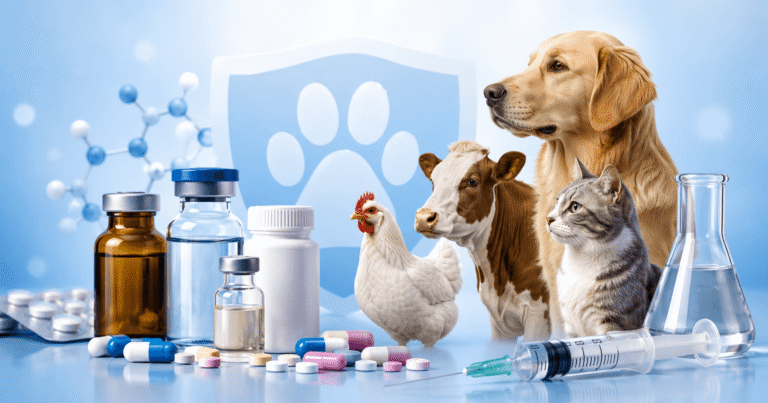
Veterinary pharmaceuticals include medicines, vaccines, supplements, feed additives, and therapeutic products used for animal treatment, disease prevention, and healthcare management, supporting global animal health standards promoted by the World Health Organization.
Veterinary medications help in:
- Treating bacterial infections
• Preventing viral diseases
• Controlling parasites
• Managing pain and inflammation
• Improving animal nutrition
• Supporting reproduction and growth
• Increasing livestock productivity
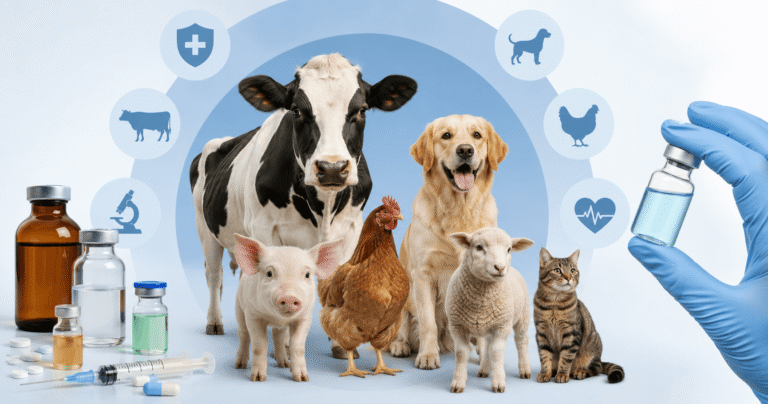
These medicines serve multiple animals such as:
- Dogs
• Cats
• Cattle
• Horses
• Poultry birds
• Sheep
• Goats
• Pigs
• Fish and aquaculture animals
Proper use of veterinary drugs improves both animal health and farm profitability.
Understanding Veterinary Pharmaceuticals
Veterinary pharmaceuticals refer to medicines specially developed for animal health management. Manufacturers formulate these products according to species-specific needs because animals process medicines differently from humans.
Animal pharmaceuticals cover a broad range of products such as:
• Antibiotics
• Vaccines
• Deworming medicines
• Anti-inflammatory drugs
• Nutritional supplements
• Hormonal products
• Antifungal medicines
• Antiparasitic medications
• Feed supplements
| Dosage Form | Common Usage |
|---|---|
| Tablets | Pets and companion animals |
| Syrups | Young animals |
| Powders | Feed mixing |
| Injectable products | Serious infections |
| Oral liquids | Livestock |
| Bolus | Cattle and large animals |
| Ointments | Skin conditions |
Benefits of Veterinary Pharmaceuticals
1. Better Disease Prevention
Vaccines and preventive medicines help protect animals from infectious diseases before they spread. This reduces outbreaks and keeps animal populations healthier.
2. Improved Animal Productivity
Healthy animals perform better and produce higher-quality products such as milk, eggs, and meat. Proper health care also supports better growth and overall productivity.
3. Reduced Mortality Rate
Early diagnosis and timely treatment increase the chances of recovery in animals. This helps reduce deaths and improves survival rates.
4. Better Animal Welfare
Medicines and proper treatment reduce pain, stress, and discomfort in animals. This improves their overall well-being and quality of life.
5. Economic Benefits for Farmers
Healthy animals require fewer costly treatments and are more productive. This helps farmers reduce losses and increase their income.
6. Public Health Protection
Controlling diseases in animals helps prevent the spread of infections to humans. This protects communities and supports better public health.
Uses of Veterinary Drugs
Infectious Disease Management
Veterinary antibiotics are prescribed to treat various infections such as respiratory, skin, gastrointestinal, and urinary infections. Proper treatment helps animals recover quickly and prevents the spread of disease.
Parasite Control
Animal pharmaceuticals help eliminate harmful parasites like ticks, fleas, worms, mites, and lice. Effective parasite control improves animal health and prevents related complications.
Pain and Inflammation Management
Pain-relieving medicines are used to manage conditions such as arthritis, injuries, surgery recovery, and musculoskeletal disorders. These treatments help reduce discomfort and improve mobility, while understanding veterinary pharmaceutical products can help animal owners choose suitable healthcare solutions for better treatment outcomes.
Nutritional Support
Nutritional supplements provide essential support for bone development, growth, immunity, and reproductive health. They help animals maintain overall health and better performance.
Reproductive Health
Veterinary medicines play an important role in fertility management, hormonal balance, and pregnancy care. Proper reproductive support contributes to healthy breeding and animal well-being.
Key Features of Veterinary Pharmaceuticals
Modern veterinary products offer several important features:
- Species-specific formulations
• Easy administration methods
• Fast therapeutic action
• Better safety profile
• Improved shelf life
• Multiple dosage forms
• Broad-spectrum effectiveness
Composition and Product Categories
| Category | Common Examples |
|---|---|
| Antibiotics | Oxytetracycline, Amoxicillin, Enrofloxacin |
| Antiparasitic medicines | Albendazole, Ivermectin |
| Anti-inflammatory drugs | Meloxicam, Ketoprofen |
| Vaccines | Rabies vaccine, Foot-and-mouth vaccine |
| Nutritional supplements | Calcium, Multivitamins |
| Hormonal products | Progesterone-based formulations |
Side Effects of Veterinary Medications
Side effects vary according to animal species, age, dosage, and health condition.
Possible side effects include:
- Vomiting
• Diarrhea
• Allergic reactions
• Loss of appetite
• Drowsiness
• Injection site irritation
Important Safety Note
Never give human medicines to animals without veterinary guidance. Animals metabolize medicines differently, and incorrect use can create serious complications.
Dosage Information
Dosage depends on several factors:
- Animal species
• Body weight
• Medical condition
• Age
• Disease severity
• Route of administration
Example:
A medicine dose suitable for a dog may become dangerous for cattle or cats.
Always follow:
- Veterinarian recommendations
• Label instructions
• Manufacturer guidelines
Veterinary Pharmaceuticals vs Human Pharmaceuticals
| Feature | Veterinary Pharmaceuticals | Human Pharmaceuticals |
|---|---|---|
| Target users | Animals | Humans |
| Dosage calculation | Species and weight based | Human age and weight |
| Formulations | Species specific | Human specific |
| Taste considerations | Flavored formulations | Standard formulations |
| Regulations | Veterinary guidelines | Human healthcare regulations |
Market Demand and Business Opportunity in Veterinary Pharma
Rising Pet Ownership
Urban families are increasingly adopting pets and investing in their health and well-being. This has created a growing demand for quality veterinary medicines and healthcare products.
Expansion of Dairy and Poultry Industries
The rapid growth of dairy and poultry sectors in India has increased the need for veterinary medicines. Healthy livestock are essential for maintaining productivity and quality output.
Increased Awareness About Animal Health
Farmers and animal owners are becoming more aware of preventive healthcare practices. They now understand that timely care helps reduce disease and improve productivity.
Growing PCD Pharma Opportunities
Veterinary PCD pharma businesses provide opportunities for distributors, franchise partners, wholesalers, medical store owners, and entrepreneurs. The expanding market offers strong potential for business growth.
Why Veterinary Pharma Creates Strong Business Potential
The veterinary pharma sector has lower competition in many areas and generates consistent repeat demand. A wide product range and the growing rural healthcare market further increase business opportunities.
Expert Recommendations for Better Veterinary Medicine Use
Maintain Proper Storage
Veterinary products should be stored according to the instructions provided on their labels. Proper storage helps maintain the effectiveness and safety of medicines.
Complete Full Treatment Courses
Treatment courses, especially antibiotics, should be completed as prescribed. Stopping medication early may lead to incomplete recovery and increase resistance.
Focus on Preventive Care
Regular vaccination schedules and deworming programs help protect animals from diseases. Preventive care supports better health and long-term productivity.
Monitor Animal Behavior
Changes in eating habits, activity levels, or behavior can be early signs of health problems. Early detection allows quicker treatment and better outcomes.
Buy Quality Products
Always choose veterinary medicines from reliable pharmaceutical manufacturers. High-quality products ensure better safety, effectiveness, and results.
Conclusion
The veterinary healthcare industry continues to expand due to increasing awareness and demand for animal wellness solutions. Veterinary pharmaceuticals play a vital role in disease prevention, treatment, nutritional support, and productivity improvement.
Whether you are a doctor, distributor, pharma franchise seeker, medical store owner, or animal healthcare professional, understanding veterinary medications helps you make better decisions and identify future opportunities.
Correct medicine use, proper veterinary guidance, and quality products remain essential for animal health and long-term success.
Complete Guide To Veterinary Pharmaceuticals - FAQs
What are veterinary pharmaceuticals?
What types of veterinary drugs are available?
Can human medicines be used for animals?
Why does the veterinary pharmaceutical industry grow rapidly?
Who can start a veterinary PCD pharma business?
ABOUT THE AUTHOR

Mitesh Vyas
My name is Mitesh Vyas, and I am a Pharma Franchise Consultant and Industry Research Analyst specializing in India’s PCD pharma business ecosystem. My work focuses on helping beginners, distributors, and small pharma entrepreneurs understand the real-world functioning of the pharma franchise model. Unlike theoretical content, my insights are based on ground-level observations from Indian pharmaceutical markets, including Tier-1, Tier-2, and Tier-3 cities such as Ahmedabad, Indore, Lucknow, and surrounding business hubs. I regularly share insights on how the pharma franchise business in India works in real market conditions, including investment, product strategy, and growth challenges.