
The herbal and ayurvedic market in India is not just growing — it’s exploding. From immunity boosters to skincare oils, demand has surged across Tier-1, Tier-2, and even rural markets.
But here’s the reality most blogs won’t tell you:
Herbal third party manufacturing is one of the most misunderstood and mis-sold business models in India.
On paper, it looks simple:
“Give formula → Get product → Sell → Earn profit”
In real life, it’s very different.
- Quality inconsistencies
- Hidden costs
- MOQ traps
- Fake certifications
- Delayed dispatch during peak demand
In my experience working with 50+ distributors and startups, more than 60% of first-time buyers face issues within their first 6 months — not because the model is bad, but because execution is wrong.
In this guide, I’ll break down:
- How herbal third party manufacturing in India actually works
- What it really costs
- Where most people fail
- How to choose a trusted & affordable manufacturer
- And how to enter this business safely
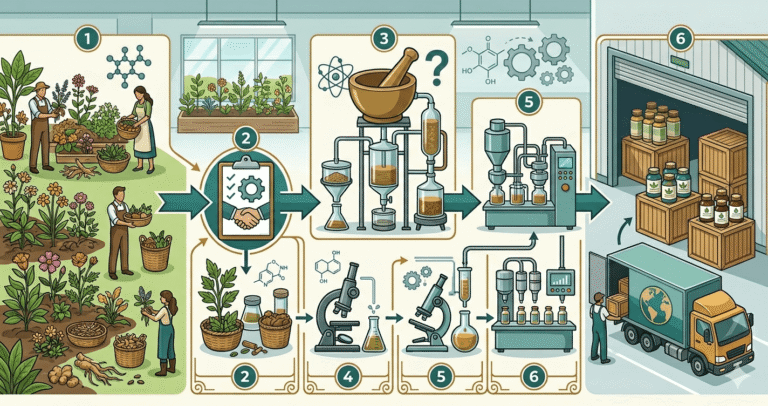
What is Herbal Third Party Manufacturing
Herbal third party manufacturing means:
You outsource production of herbal/ayurvedic products to a manufacturer who:
- Produces under your brand name
- Uses their license (GMP, AYUSH, etc.)
- Handles formulation, production, and packaging
You focus on:
- Branding
- Marketing
- Distribution
It’s widely used in:
- Ayurvedic startups
- D2C brands
- PCD pharma franchise businesses in India
How Herbal Manufacturing Actually Works in India
Let’s break the myth first.
Most companies claim:
“We are fully equipped herbal manufacturers”
In 60–70% of cases I’ve seen, they are partially outsourcing.
Real Workflow:
- Formulation Stage
- Either standard formula or customized
- Often copied from existing market products
- Raw Material Sourcing
- Biggest quality gap starts here
- Extract vs crude powder difference matters a lot
- Production
- Tablets, syrups, oils, powders
- Sometimes outsourced to smaller units
- Branding & Packaging
- Label design, bottle selection, box printing
- Dispatch
- This is where delays usually happen
Ground Reality Insight
In markets like Ahmedabad, Indore, and Lucknow:
- Retailers prefer fast-moving and trusted brands
- Herbal products take longer to build trust compared to allopathy
Cause → Effect → Impact:
- Low brand trust → Slow movement → Cash flow blockage
Cost, MOQ & Profit Margins
This is where most beginners get trapped.
Typical Cost Structure:
| Component | Reality |
|---|---|
| Product Cost | ₹20 – ₹150 (depends on category) |
| Packaging | ₹5 – ₹30 |
| MOQ | 500 – 3000 units |
| Total Initial Investment | ₹50,000 – ₹3,00,000 |
MOQ Problem
Most manufacturers push:
- High MOQ to increase billing
- Low MOQ but higher per-unit cost
In 70% of cases:
Beginners overstock slow-moving products
Profit Margin Reality
- Distributor margin: 20–40%
- Retail margin: 20–50%
But here’s the truth:
Profit exists only when the product moves — not when stock sits.
Benefits
Herbal third party manufacturing works well when:
Choose the Right Manufacturer
A reliable manufacturer ensures consistent quality, proper documentation, and timely delivery — which directly impacts your brand trust in the market. In real scenarios, even a small quality issue can lead to retailer rejection and slow repeat orders. Always verify claims through samples and plant visits, not just certificates.
Pick High-Demand Products
Selecting products that already have steady demand (like immunity, digestion, or daily wellness) reduces your market risk. In most Tier-2 markets, retailers prefer products they can sell quickly rather than experimental ones. Demand-driven selection improves cash flow and speeds up break-even.
Have Distribution or Marketing Plan
Even the best product won’t sell without visibility and push. In my experience, brands that combine retailer network + basic digital marketing perform far better than those relying only on stock placement. A clear plan ensures your inventory moves instead of sitting idle.
Real Advantages:
- Low setup cost (compared to own manufacturing)
- Faster market entry
- Scalability through private label herbal products
But…
In my experience:
Only 30–40% of new entrants sustain beyond 1 year
Hidden Challenges & Failure Reasons
1. Quality Variation
Cause:
- Poor raw material sourcing
Effect:
- Product inconsistency
Impact:
- Retailer rejection + brand damage
2. Shelf-Life Issues
Herbal products:
- Sensitive to moisture & temperature
Result:
- Crystallization, color change, odor issues
3. Fake GMP Claims
Many companies:
- Show certificates
- But don’t follow actual standards
4. Delayed Dispatch
Especially during:
- Seasonal demand (immunity, cough syrups)
5. Wrong Product Selection
Most first-time distributors:
- Choose trendy products instead of fast-moving ones
What Most Herbal Manufacturers Won’t Tell You
This is where things get real.
Hidden Margins
In herbal third party manufacturing, pricing is rarely transparent. The same formulation can be quoted at very different rates depending on the quality of extracts used and the manufacturer’s margin strategy. In my experience, many first-time buyers assume lower price = better deal, but it often leads to compromised product quality and weak market acceptance.
Extract Dilution
Some manufacturers reduce the concentration of active herbal extracts to cut costs and offer competitive pricing. While this improves margins on paper, it directly affects product effectiveness, leading to poor customer feedback and low repeat sales. Over time, this damages brand credibility — especially in trust-driven herbal markets.
Outsourcing Reality
A large number of “herbal manufacturers” are actually traders who outsource production to smaller units. This creates a lack of control over quality, timelines, and consistency. From actual audits, I’ve seen that this layer of middlemen often leads to communication gaps and delayed problem resolution.
MOQ Manipulation
Manufacturers often push higher Minimum Order Quantities (MOQ) under the pretext of cost efficiency. In reality, it locks your capital into inventory that may not move quickly. Most beginners underestimate this and end up with slow-moving stock, affecting their cash flow cycle.
Dispatch Priority Bias
In real operations, manufacturers prioritize bulk clients who generate higher revenue. Smaller brands and new entrants often face production delays, especially during peak demand seasons. This directly impacts your ability to supply the market on time, leading to missed sales opportunities and retailer dissatisfaction.
Real Case Scenarios
Case 1: ₹2 Lakh Investment Failure
A startup launched:
- Herbal syrups
- Protein powders
Problem:
- No doctor/retailer push
Result:
- 70% stock unsold after 5 months
Case 2: Cheap Manufacturer Trap
Distributor chose lowest-cost vendor
Issue:
- Quality complaints
- Leakage in bottles
Outcome:
- Retailers stopped ordering
Case 3: Seasonal Demand Failure
Brand launched immunity products
Problem:
- Manufacturer delayed production
Result:
- Missed peak demand window
How to Choose a Trusted Herbal Manufacturer in India
Check Real Manufacturing Unit (Not Just Office)
Many companies present a professional office setup but don’t own actual manufacturing facilities. Visiting the plant helps you verify machinery, hygiene standards, and production capacity. In real cases, this step alone filters out a large number of unreliable suppliers.
Verify Certifications (Don’t Trust PDFs Blindly)
Certificates like GMP or AYUSH approval are often shared as PDFs, but not all are genuine or up-to-date. Always cross-check license numbers or ask for live proof during a visit. In my experience, blindly trusting documents is one of the biggest mistakes beginners make.
Ask for Sample Batch
Before placing a bulk order, testing a sample batch gives you clarity on product quality, packaging, and consistency. Many issues like taste, texture, or leakage are only visible in physical samples — not on paper specifications.
Check Existing Clients
A manufacturer’s current client base tells you a lot about their reliability and market reputation. If possible, speak to existing buyers or check where their products are already selling. Consistent clients usually indicate stable quality and service.
Evaluate Transparency in Pricing
A trustworthy manufacturer clearly explains cost breakup — including raw material, packaging, and taxes. Hidden charges or vague pricing often lead to unexpected costs later. Transparent pricing builds long-term business confidence and avoids disputes.
Trusted vs Cheap Manufacturer
| Factor | Trusted | Cheap |
|---|---|---|
| Quality | Consistent | Fluctuating |
| Pricing | Slightly higher | Low |
| Delivery | Reliable | Delayed |
| Support | Strong | Weak |
Who Should & Should NOT Enter This Business
Ideal For:
- Pharma distributors
- D2C founders with marketing skills
- Existing PCD pharma business owners
Not Ideal For:
- People expecting quick profit
- No sales or distribution plan
- No working capital buffer
Step-by-Step Safe Entry Strategy
Step 1: Start with 2–3 Fast-Moving Products
Begin with proven high-demand categories like immunity syrups, digestive tablets, or liver support formulations. In real market conditions, products that already have retailer acceptance reduce dependency on heavy marketing and give faster cash flow stability.
Step 2: Choose Mid-Level Manufacturer
Avoid both extremes — cheapest suppliers often compromise quality, while premium ones increase entry cost unnecessarily. In my experience, mid-level manufacturers offer the best balance of consistency, pricing, and operational reliability for first-time entrants.
Step 3: Keep MOQ Low Initially
Starting with lower MOQ helps you test demand without locking large capital in unsold stock. Most beginners fail because they overcommit inventory too early, which slows cash flow and creates storage pressure.
Step 4: Test Market Response
Before scaling, observe how retailers and customers respond to your products in real conditions. Feedback from the market is far more reliable than assumptions — it tells you whether the product will sustain long-term demand.
Step 5: Scale Gradually
Once you identify winning products, increase order size step-by-step instead of aggressive expansion. In real business cycles, controlled scaling reduces risk and helps maintain consistent quality, supply, and brand reputation.
Expert Mistakes to Avoid
- Choosing company based on price only
- Ignoring sample testing
- Over-investing in inventory
- Not understanding shelf life
- No marketing/distribution plan
Conclusion
Herbal third party manufacturing in India is profitable — but not easy. It’s not a shortcut business.
It rewards:
- Smart selection
- Controlled investment
- Strong execution
In my experience:
Those who treat it like a real business system succeed,Those who treat it like a quick opportunity fail.
Herbal Third Party Manufacturing In India - FAQS
1. What is herbal third party manufacturing in India?
2. How much investment is required to start?
3. How to choose a trusted manufacturer?
4. Is herbal third party manufacturing profitable?
5. What are the main risks?
REFERENCE
ABOUT THE AUTHOR

Mitesh Vyas
My name is Mitesh Vyas, and I am a Pharma Franchise Consultant and Industry Research Analyst specializing in India’s PCD pharma business ecosystem. My work focuses on helping beginners, distributors, and small pharma entrepreneurs understand the real-world functioning of the pharma franchise model. Unlike theoretical content, my insights are based on ground-level observations from Indian pharmaceutical markets, including Tier-1, Tier-2, and Tier-3 cities such as Ahmedabad, Indore, Lucknow, and surrounding business hubs. I regularly share insights on how the pharma franchise business in India works in real market conditions, including investment, product strategy, and growth challenges.