How To Start Third Party Pharma Manufacturing Company ? : Most beginners think starting a third-party pharma manufacturing business means “owning a pharma company without a factory.”
That’s only half true.
In 60–70% of cases I’ve seen, people enter this business assuming:
- The manufacturer will handle everything
- Products will sell automatically
- Margins will be high from day one
But the reality is different. Third party pharma manufacturing in India is not a passive business.
It’s a branding + distribution + execution game.
In Tier-2 cities like Ahmedabad, Indore, or Lucknow, I’ve seen people invest ₹2–5 lakh and:
- Either build a strong brand within 2 years
- Or get stuck with unsold stock and exit quietly
This guide will show you the real process, real costs, real risks, and real success factors — not just theory.

What is Third Party Pharma Manufacturing?
Third party manufacturing means:
You:
- Own the brand
- Decide the product range
- Handle sales & marketing
Manufacturer:
- Produces medicines under your brand name
- Packs and labels products
Also known as pharma contract manufacturing business
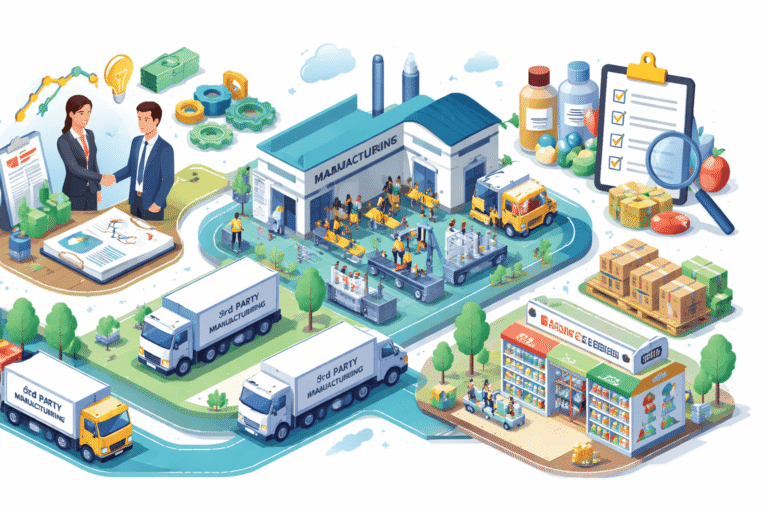
How Third Party Manufacturing Actually Works in India
1. You select products (tablets, syrups, injections, etc.)
You start by deciding the product mix based on market demand, doctor preference, and competition. The goal is to choose fast-moving and prescription-friendly formulations that can build quick acceptance in the market.
2. You choose a manufacturer (WHO-GMP certified ideally)
You finalize a reliable WHO-GMP certified manufacturer to ensure product quality, compliance, and consistency. This step is critical because your brand reputation fully depends on manufacturing standards and batch reliability.
3. You send your brand name & packaging design
Once your brand identity is ready, you share the name, logo, and packaging artwork with the manufacturer. This step converts a generic product into your own branded medicine ready for the market.
4. Manufacturer produces your order (usually MOQ-based)
The manufacturer produces medicines in bulk based on minimum order quantity (MOQ) requirements. Production timelines depend on formulation type, availability of raw materials, and batch scheduling.
5. Products are delivered to you
After manufacturing and quality checks, the finished goods are packed and dispatched to your location. You receive fully labeled, market-ready products under your brand name.
6. You sell via doctors, distributors, retail chemists
Finally, you build demand through doctor prescriptions and supply products through distributors and chemist networks. Strong field marketing is key to ensuring regular sales and brand growth.
Reality Insight:
Most beginners think manufacturer = partner in growth
But in reality:
- Manufacturer = service provider
- Growth depends on your market execution
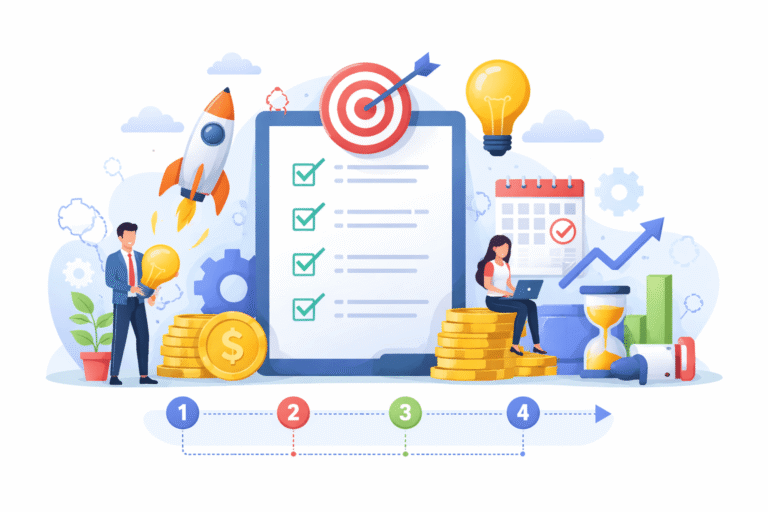
Step-by-Step Process to Start
Step 1: Define Your Business Model
- Own brand (third party manufacturing)
- Or combine with PCD pharma franchise in India
Smart beginners combine both
Step 2: Select Product Range
Start with:
- General medicines (antibiotics, painkillers, syrups)
- High-demand segments (gastro, derma, multivitamins)
Mistake:
Choosing “too many products” . Start with 10–20 focused SKUs
Step 3: Choose the Right Manufacturer
Check:
- WHO-GMP certification
- Product quality consistency
- Delivery timelines
- Batch reliability
In 50% of failures, wrong manufacturer selection is the root cause
Step 4: Branding & Packaging
- Unique brand name
- Attractive packaging
- MRP positioning strategy
Doctors trust presentation + results
Step 5: Get Licenses & Compliance
You’ll need:
- Drug License (DL)
- GST Registration
- Company registration
Step 6: Build Sales Network
Options:
- Medical Representatives (MRs)
- Distributors
- Direct doctor approach
Without prescriptions, stock doesn’t move
Required Licenses & Documents
- Drug License (Retail/Wholesale)
- GST Registration
- Company registration (optional but recommended)
- Trademark (for brand protection)
Profitability Reality
Margins:
- Manufacturing cost: Low
- MRP: High
- Distributor cuts: 20–40%
Net profit depends on:
- Sales volume
- Prescription generation
- Market penetration
Ground Reality:
In first 6–12 months, most businesses:
- Break even or operate at low profit
Real Benefits
Low Manufacturing Investment
This business model allows you to start without setting up a factory, which significantly reduces initial capital requirements. You only pay for production as per your orders, making it cost-efficient for beginners.
Scalability
Once your initial products gain market acceptance, you can easily expand your portfolio with new formulations. Growth depends mainly on sales execution, not infrastructure limitations.
Brand Ownership
You build your own pharmaceutical brand in the market, which becomes a long-term business asset. Over time, strong branding can create repeat demand and higher market trust.
BUT only if:
- You maintain quality
- You generate consistent demand
Hidden Challenges & Failure Reasons
1. No Prescription Generation
Cause → No doctor network
Effect → Stock doesn’t move
Outcome → Dead investment
2. Poor Manufacturer Quality
Cause → Cheap vendor selection
Effect → Inconsistent results
Outcome → Brand trust lost
3. Overstocking
Cause → Wrong demand estimation
Effect → Expiry risk
Outcome → Financial loss
4. Weak Marketing
Cause → No field strategy
Effect → Low visibility
Outcome → Zero traction
What Most Pharma Companies Won’t Tell You
1. Hidden Margins Reality
MRP in pharma looks high on paper, but actual profit gets reduced due to multiple layers of deductions. Distributor margins, doctor incentives, and marketing expenses significantly cut into the final earning, leaving much lower net profit than expected.
2. Marketing is YOUR Responsibility
In third party pharma manufacturing, the manufacturer only produces the product, not sales. You are fully responsible for building demand through doctor visits, distributor networks, and promotional strategies to move the stock. To understand how different companies operate in this space and choose reliable partners, you can explore a list of third party pharma manufacturing companies before finalizing your manufacturing tie-ups.
3. Monopoly Rights Are Often Misleading
Getting “monopoly rights” does not guarantee sales or market success. Without strong doctor prescriptions and local demand, even exclusive products can fail to generate meaningful revenue.
4. Quality Can Vary Between Batches
Product quality is not always consistent and can change between batches due to raw material differences or cost-cutting practices by manufacturers. This directly impacts customer trust and brand reputation in the market.
Real Case Scenarios
Case 1: ₹2 Lakh Investment, Stock Stuck
A beginner in Ahmedabad:
- Invested ₹2L in 25 products
- No doctor network
Result: 70% stock unsold after 8 months
Case 2: Wrong Manufacturer Choice
A distributor chose a cheap vendor:
- Batch inconsistency
- Customer complaints
Result: Brand collapsed within 6 months
Case 3: Credit Cycle Trap
Business gave:
- 30–60 days credit to distributors
Outcome:
- Cash flow blocked
- Unable to reorder stock
Read More : How Third Party Pharma Manufacturing Works ?
Who Should Start This Business
Ideal For:
- People with doctor network
- Pharma sales experience
- Risk-taking mindset
Not Ideal For:
- Passive investors
- No sales background
- Low risk tolerance
5-Step Safe Entry Strategy
1. Start with 10–15 products
Begin with a limited and focused product range to avoid overstocking and confusion in the market. This helps you understand demand patterns and build initial prescription traction more effectively.
2. Test in 1–2 areas only
Instead of spreading too wide, launch your products in a controlled geographical area. This allows you to track response, adjust strategy, and reduce marketing wastage.
3. Work with reliable manufacturer
Choose a trusted WHO-GMP certified manufacturer to ensure consistent product quality and timely supply. A good manufacturer directly impacts your brand reputation and customer trust.
4. Focus on doctor prescriptions first
In pharma, doctor recommendation drives most of the sales. Building strong relationships with doctors ensures steady prescription flow and long-term demand stability.
5. Scale gradually after traction
Once your products start getting regular prescriptions and repeat orders, then expand your territory and product line. Scaling too early without demand often leads to blocked capital and unsold stock.
Expert Mistakes to Avoid
Choosing price over quality
Focusing only on low-cost manufacturers often leads to poor product quality and inconsistent results. This can damage your brand reputation and reduce long-term customer trust in the market.
Launching too many products
Starting with a wide product range creates confusion and increases unsold stock risk. It is better to begin with focused, high-demand products to build strong initial traction.
Ignoring marketing
Even good products fail without proper marketing and doctor engagement. In pharma, consistent promotion and prescription building are essential for sustained sales growth.
Giving excessive credit
Offering too much credit to distributors may block your cash flow. This creates financial pressure and limits your ability to reinvest in new stock.
Not tracking product movement
Failing to monitor sales and inventory leads to overstocking or expiry issues. Regular tracking helps you understand demand patterns and improve business decisions.
Conclusion
Starting a third party pharma manufacturing company in India can be profitable — but only if you treat it like a serious business, not a side income idea.
Success depends on:
- Product selection
- Manufacturer quality
- Doctor network
- Market execution
If done right:
- It becomes a scalable brand
If done wrong:
- It becomes unsold inventory
How To Start Third Party Pharma Manufacturing Company ? : FAQs
1. Is third party pharma manufacturing profitable?
2. How much investment is needed?
3. Is a license required?
4. How long will it take to break even?
5. What is the biggest reason for failure in third party pharma manufacturing?
References
ABOUT THE AUTHOR

Mitesh Vyas
My name is Mitesh Vyas, and I am a Pharma Franchise Consultant and Industry Research Analyst specializing in India’s PCD pharma business ecosystem. My work focuses on helping beginners, distributors, and small pharma entrepreneurs understand the real-world functioning of the pharma franchise model. Unlike theoretical content, my insights are based on ground-level observations from Indian pharmaceutical markets, including Tier-1, Tier-2, and Tier-3 cities such as Ahmedabad, Indore, Lucknow, and surrounding business hubs. I regularly share insights on how the pharma franchise business in India works in real market conditions, including investment, product strategy, and growth challenges.