
Table of Contents
ToggleIn today’s pharma market, everyone is talking about WhatsApp marketing like it’s a magic tool — “just send messages and get orders.”
But in my 10+ years of on-ground experience working with 50+ distributors, I can tell you clearly:
WhatsApp doesn’t generate sales — relationships do. In fact, in nearly 70% of cases I’ve seen, distributors who rely only on WhatsApp promotions fail to convert even after sending daily messages.
Why?
Because pharma is not like FMCG or e-commerce.
- Doctors don’t switch brands easily
- Retailers prioritize fast-moving stock
- Trust-building takes weeks, sometimes months
This blog will break down:
- How WhatsApp marketing actually works in pharma
- What mistakes most beginners make
- Real strategies that generate orders (not just views)
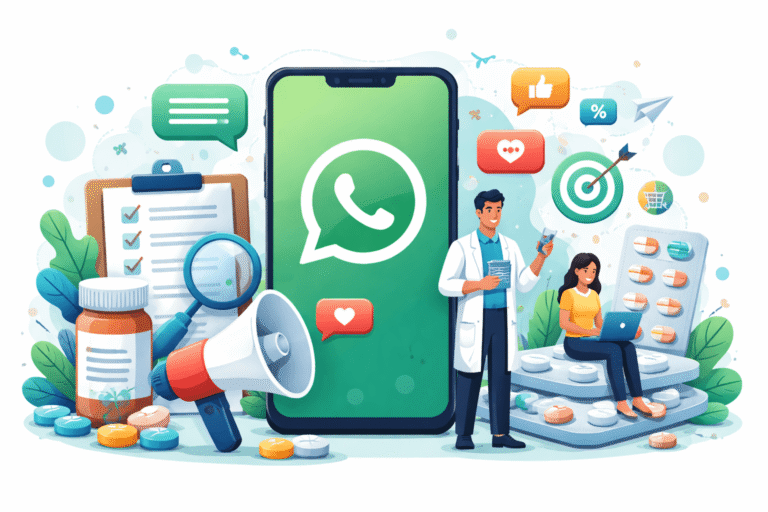
Core Concept of WhatsApp Marketing in Pharma
WhatsApp marketing in pharma is not about bulk messaging. It’s about controlled, relationship-driven communication, and to understand how this fits into the bigger picture, you should explore the complete guide to PCD pharma franchise in India.
In the pharma franchise business model, WhatsApp is mainly used for:
1. Product Promotion (Visuals, Price Lists)
In my experience, clear product visuals and transparent price lists help retailers quickly decide what’s worth stocking. Instead of pushing everything, highlighting fast-moving products with real margins builds credibility and improves response rates.
2. Follow-ups with Retailers
Consistent follow-ups are where most conversions actually happen. Retailers rarely order on the first message, but structured, respectful follow-ups over 2–3 weeks gradually build trust and increase the chances of repeat business.
3. MR Support Communication
WhatsApp works best when it supports on-ground MR activity. Sharing updates, doctor feedback, and daily plans helps align efforts, making field visits more productive and ensuring better prescription flow.
4. Order Confirmation & Scheme Updates
Quick order confirmations and timely scheme updates create reliability in the distributor-retailer relationship. In real markets, this responsiveness often becomes the reason retailers prefer one distributor over another.
But here’s the reality:
WhatsApp is only a supporting tool, not a primary sales driver.
In the PCD pharma franchise in India, actual sales still depend on:
- Doctor prescriptions
- Retailer trust
- Product movement speed

How WhatsApp Marketing Actually Works in Real Markets
Let’s talk about ground reality — especially in Tier-2 cities like Ahmedabad, Indore, or Jaipur.
What companies claim:
- “Send daily messages and grow fast”
- “Digital marketing will replace field work”
What actually happens:
- Retailers mute your number after 3–5 irrelevant messages
- Doctors rarely respond to unknown WhatsApp promotions
- Bulk messages get ignored unless there is prior trust
Real Flow of WhatsApp Success:
- First 30 days → No response
- 30–60 days → Seen messages, low engagement
- 60–90 days → Occasional replies
- After 90 days → Orders start (if follow-ups are consistent)
This is why most beginners quit too early.
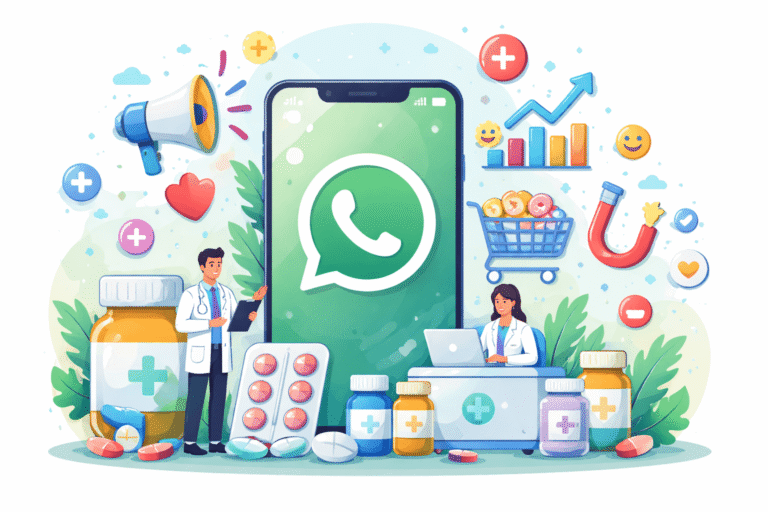
Real Benefits of WhatsApp Marketing for Pharma Franchise
When used correctly, WhatsApp can become a powerful asset.
1. Faster Follow-Ups
Instead of waiting for MR visits, you can instantly share:
Scheme Updates
In my experience, timely and clearly explained schemes (like extra margins or bonus offers) directly influence retailer decisions. When shared properly, they create urgency and help push faster-moving stock without aggressive selling.
Stock Availability
Regular updates about available stock build trust and reliability. Retailers prefer distributors who give accurate, real-time availability because it saves their time and helps them avoid supply gaps.
New Product Launches
Introducing new products works only when you explain their demand, margin, and usage clearly. Simply sharing a new launch isn’t enough—retailers respond better when they understand how it will actually sell in their market.
2. Relationship Building
In my experience, consistent and non-intrusive WhatsApp communication gradually builds familiarity and trust with retailers and doctors. Over time, this steady engagement can improve confidence in your brand by 30–40%, making them more open to discussions and repeat orders.
3. Cost Efficiency
Compared to field visits:
No Travel Cost
In my experience, WhatsApp significantly reduces the need for frequent market visits, especially for routine follow-ups. This helps distributors save on travel expenses while still staying connected with retailers and managing daily operations efficiently.
Faster Communication
WhatsApp allows instant sharing of updates, which is critical in a fast-moving pharma market. Whether it’s confirming an order or sharing a scheme, quick communication often makes the difference in closing or losing a deal.
Better Documentation
All conversations, orders, and commitments remain recorded on WhatsApp, which reduces confusion and disputes. In real scenarios, this message history becomes useful for tracking orders, payments, and maintaining accountability.
4. Better Order Conversion (Condition-Based)
If trust already exists, WhatsApp can:
1. Increase Repeat Orders
In my experience, consistent and value-based WhatsApp communication keeps your brand in the retailer’s mind. When you share relevant updates and maintain regular touchpoints, retailers are more likely to reorder from you instead of switching to another distributor.
2. Improve Payment Follow-Ups
Polite and timely payment reminders on WhatsApp help maintain a professional relationship without creating pressure. In real market conditions, structured follow-ups increase recovery rates and reduce delays in the credit cycle.
But remember:
WhatsApp works best AFTER the first physical connection.

Hidden Challenges & Failure Reasons
1. Wrong Targeting
Most first-time distributors make this mistake:
- Sending the same message to doctors, retailers, and stockists
Result: No relevance → No response
2. Over-Promotion
In 60–70% of cases:
- Distributors send daily product lists
- No value, only selling
Result:
- Contacts mute or block
3. No Trust Base
Doctors don’t prescribe based on WhatsApp messages.
WHY?
- Already tied to 5–10 companies
- Require MR interaction
- Need clinical confidence
4. No Follow-Up Strategy
Most people:
- Send once
- Expect results
Reality:
Minimum 5–7 touchpoints needed before conversion

What Most Pharma Companies Won’t Tell You
This is where most beginners get misled.
1. “We Provide Marketing Support” — But It’s Generic
- Same creatives given to all distributors
- No local customization
Result: Zero differentiation
2. WhatsApp Alone Won’t Move Slow Products
In most markets:
- 60–70% retailers prefer fast-moving brands
Even the best WhatsApp marketing can’t sell:
- Unknown antibiotics
- Slow syrups
3. Credit Cycle Still Dominates Sales
Even if retailer likes your product:
- Payment delay = no repeat orders
WhatsApp cannot solve:
Cash flow issues

Real Case Scenarios (Based on Market Experience)
Case 1: ₹1.5 Lakh Investment, Zero WhatsApp ROI
A distributor in Ahmedabad:
- Invested in stock
- Sent daily product images via WhatsApp
Result after 2 months:
- No significant orders
WHY?
- No doctor connectivity
- No retailer trust
Case 2: Smart Distributor, Low Budget, High Returns
Indore-based distributor:
- Focused on 20 retailers only
- Personalized messages
- Follow-ups every 3–4 days
Result:
- Orders started in 45 days
Case 3: Credit Trap Failure
Jaipur distributor:
- Got orders through WhatsApp
- Gave credit freely
After 3 months:
- ₹80,000 stuck
Lesson:
WhatsApp can generate orders, but not secure payments
Who Should & Should NOT Use WhatsApp Marketing
Ideal For:
- Existing distributors with retailer network
- MRs supporting communication
- Repeat order management
Not Ideal For:
- Beginners without market presence
- Those expecting instant results
- Distributors with weak product portfolio
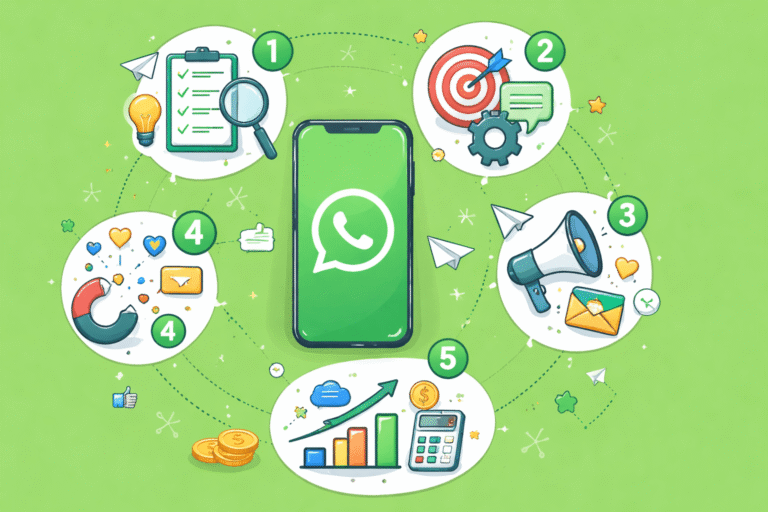
Actionable 5-Step WhatsApp Marketing Framework
Step 1: Segment Your Contacts
- Doctors
- Retailers
- Stockists
Never send the same message to all
Step 2: Build Value-Based Content
Instead of:
“Buy this product”
Use:
- “Fast-moving antibiotic with high retailer margin”
- “Doctor-prescribed syrup with repeat demand”
Step 3: Smart Follow-Up Timing
- Day 1: Introduction
- Day 3: Product benefit
- Day 7: Scheme
Avoid daily spam
Step 4: Combine With Field Work
- WhatsApp + MR visit = best results
Step 5: Track & Optimize
- Who opens messages
- Who replies
- Who orders
Focus only on responsive contacts
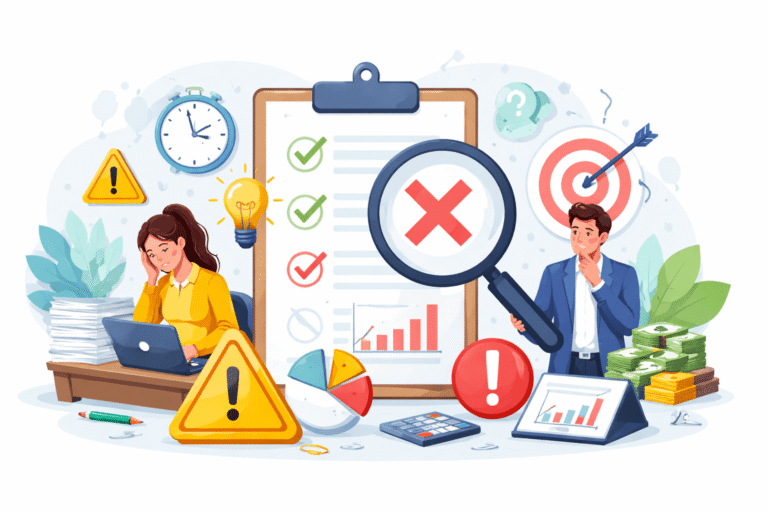
Expert Insights: Mistakes to Avoid
1. Copy-Paste Messaging
In real market conditions, retailers quickly recognize bulk, generic messages and tend to ignore them. Personalized and relevant communication builds more trust compared to repetitive copy-paste promotions.
2. Ignoring Local Market Demand
Every area has different prescription patterns and product demand. Promoting products that don’t move in the local market often leads to zero response and unsold stock.
3. No Personalization
Addressing retailers by name and tailoring messages to their needs makes a noticeable difference. In my experience, even small personalization can significantly improve engagement and response rates.
4. Over-Dependence on WhatsApp
WhatsApp is only a support tool, not a replacement for fieldwork. In most cases, 70–80% of actual sales still come from doctor visits and on-ground relationship building.
Conclusion
WhatsApp marketing is powerful — but only when used correctly.
From my experience:
- It can improve efficiency
- Strengthen relationships
- Increase repeat orders
But it cannot replace:
- Doctor connectivity
- Market understanding
- Product demand
If you are starting a pharma franchise or already running a PCD pharma business in India, use WhatsApp as a support system — not your main strategy.