
Complete Compliance Checklist For Pharma Franchise Business: Most people entering the PCD pharma franchise in India focus on products, margins, and monopoly rights. Almost no one focuses on compliance.
And that’s exactly why many businesses fail—not because they couldn’t sell, but because they weren’t legally prepared to operate.
In my experience handling pharma franchise audits and working with 50+ distributors across Tier-1, Tier-2, and Tier-3 cities: Most first-time pharma franchise owners fail in documentation, not sales.
What companies and consultants don’t tell you is simple:
- Compliance is not a one-time setup
- It is a continuous legal responsibility
- And mistakes don’t give warnings—they result in penalties, stock seizure, or license suspension
This guide will walk you through real compliance insights, mistakes, and a practical checklist so you don’t learn the hard way.
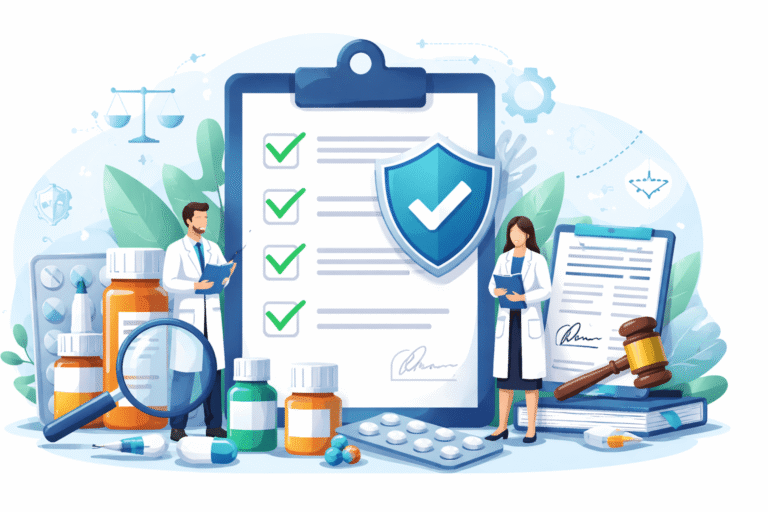
What Compliance Means in Pharma Franchise Business
In a pharma franchise business model, you are not just a seller—you are a licensed drug distributor.
This means you must comply with:
- CDSCO norms (Central Drugs Standard Control Organization)
- State Drug Authority regulations
- Drug & Cosmetics Act, 1940
- GST laws
- Storage and prescription regulations
Compliance includes:
- Legal licenses
- Proper billing
- Storage conditions
- Prescription handling
- Record maintenance
Important Reality: Compliance is not about having documents—it’s about being audit-ready at any time.
How Compliance Actually Works in Real Market
Let’s talk about ground reality. In cities like Ahmedabad, Nagpur, Indore:
- Drug inspectors don’t visit regularly
- But when they do—it’s usually triggered by:
- Complaint from competitor
- Suspicious billing patterns
- Expired stock reports
- Random inspection drives
In 70% of cases I’ve seen, distributors ignore compliance until the first inspection happens.
What Inspectors Actually Check:
- Valid drug license display
- Storage conditions (temperature, cleanliness)
- Purchase & sale invoices
- Schedule H / H1 drug records
- Expiry stock handling
- Pharmacist availability
Paper compliance vs Real compliance
| Paper Compliance | Actual Enforcement |
|---|---|
| License obtained | License conditions followed daily |
| GST registered | Correct billing & tax filing |
| Storage space exists | Temperature & hygiene maintained |
| Pharmacist on paper | Physically present or available |
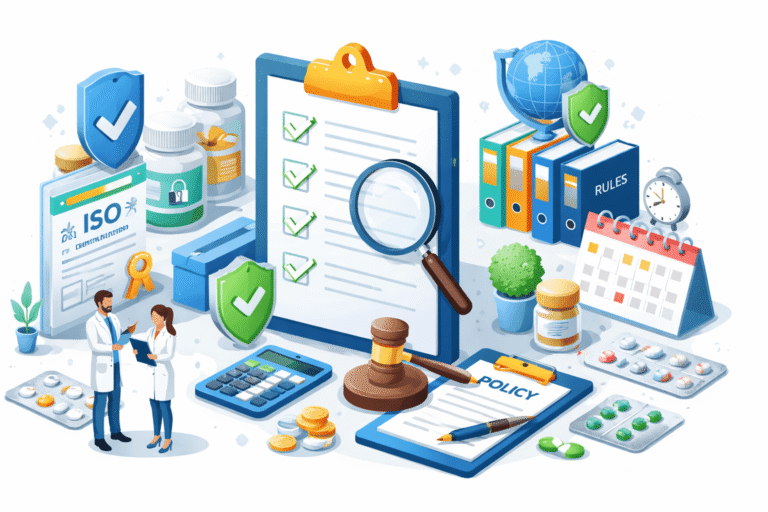
Complete Compliance Checklist For Pharma Franchise Business
1. Legal Registration
Legal registration is the foundation of trusted pharma franchise business in India . Choosing the right business structure (Proprietorship, LLP, or Pvt Ltd) impacts taxation, liability, and scalability. As part of the overall legal compliance for pharma franchise business, basic requirements like PAN and a current bank account ensure financial transparency. Many beginners delay this step, which creates problems during license applications. A properly registered entity builds trust with both companies and authorities.
2. Drug License Requirements
A valid drug license is mandatory to legally operate in the pharma business. Whether retail (RDL) or wholesale (WDL), approval depends on premises, documentation, and qualified personnel. In many cases, applications get delayed due to minor errors in documents or layout compliance. Maintaining proper infrastructure, including storage and refrigeration, is crucial. Typically, approval takes 20–45 days depending on state processes.
3. GST & Billing Compliance
GST compliance ensures your business operates legally in terms of taxation and billing. Proper invoice formats, correct HSN codes, and timely return filing are essential. Many distributors make mistakes in tax slabs or manipulate billing, which leads to penalties. Accurate billing not only avoids legal trouble but also builds credibility with clients. Regular audits and proper accounting practices are highly recommended.
4. Storage & Inventory Rules
Proper storage is critical to maintain drug quality and comply with regulations. Temperature-sensitive products like injections and insulin require strict cold chain management. Poor ventilation, lack of monitoring, or mixing expired stock can lead to serious violations. In real scenarios, many distributors overlook these basics until inspection happens. Organized inventory management reduces both legal risk and financial loss.
5. Documentation & Record-Keeping
Maintaining accurate records is one of the most overlooked compliance areas. You must keep purchase bills, sales invoices, stock registers, and expiry records updated at all times. Special attention is required for Schedule H1 drugs, which need strict tracking. During inspections, incomplete documentation is one of the most common reasons for penalties. Proper record-keeping ensures smooth audits and long-term stability.
6. Promotional & Ethical Compliance
Pharma marketing is strictly regulated, especially for prescription drugs. Misleading claims or direct promotion to consumers can lead to serious legal consequences. Ethical marketing practices not only ensure compliance but also protect your business reputation. Many companies push aggressive promotion, but the legal responsibility lies with the distributor. Always follow guidelines to avoid unnecessary risk.
Legal Requirements Breakdown
Why Drug License Gets Delayed
In real cases, delays happen due to:
- Incorrect premises documents
- Non-qualified pharmacist
- Incomplete application
- Layout issues
Solution
Always verify documents before applying.
Cause → Consequence → Penalty → Solution
Cause: No valid drug license
Consequence: Illegal operation
Penalty: ₹50,000–₹1,00,000 + stock seizure
Solution: Apply before starting business
Cause: Improper storage
Consequence: Drug quality compromised
Penalty: License suspension
Solution: Maintain temperature logs

Storage, Billing & Prescription Compliance
Storage Mistakes
Storage compliance is one of the most ignored yet critical aspects of pharma distribution. Simple issues like not having a thermometer, poor ventilation, or mixing expired stock with fresh inventory can directly affect drug quality. These mistakes often go unnoticed until inspection, leading to serious consequences. In real cases, such negligence results in stock rejection or seizure. Ultimately, it leads to product degradation and legal risk for the distributor.
Billing Mistakes
Billing errors are a major compliance risk in the pharma business. Selling without invoices, manipulating billing to adjust stock, or applying the wrong GST slab can trigger audits. Many distributors try shortcuts in billing, not realizing the long-term consequences. During inspections or tax reviews, these discrepancies are easily detected. This results in tax penalties, financial loss, and serious audit issues.
Prescription Compliance
Prescription compliance is strictly regulated, especially for sensitive drug categories. Schedule H drugs must only be sold against a valid prescription, while Schedule H1 requires detailed record maintenance. Schedule X drugs have even stricter controls and legal oversight. Ignoring these rules is not just a compliance issue but a legal offense. In serious cases, it can lead to criminal liability and license cancellation.
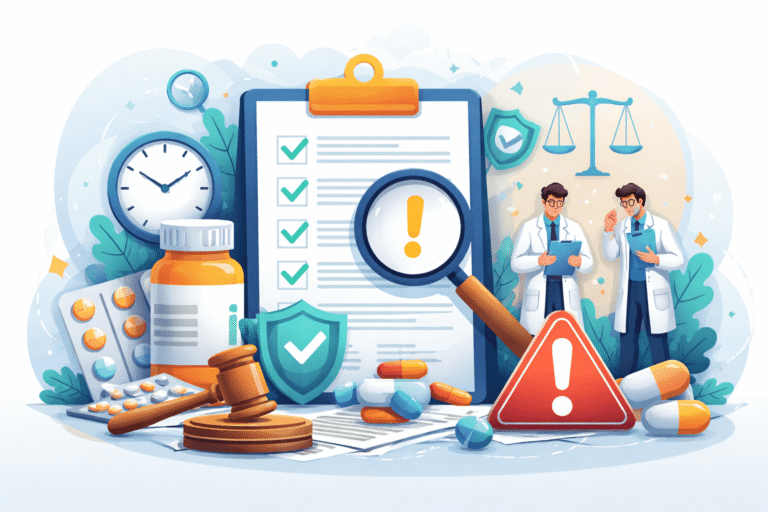
What Most Pharma Companies Won’t Tell You About Compliance
1. “We Provide License Support” – Half Truth
Many pharma companies claim they provide full license support, but in reality, they only assist with basic guidance or documentation. The entire legal responsibility still lies with the distributor. If anything goes wrong—missing documents, errors, or violations—you are accountable. In most real cases, companies step back during legal issues. Always understand that support does not mean shared liability.
2. Bulk Stock Push = Compliance Risk
Companies often push large stock orders by offering attractive margins and schemes. However, managing expiry, storage, and rotation becomes the distributor’s responsibility. Without proper planning, excess stock leads to expiry losses and compliance issues. In audits, expired or mismanaged stock can create serious problems. Smart distributors always control inventory instead of blindly accepting bulk deals.
3. Monopoly Rights ≠ Legal Protection
Getting monopoly rights in an area gives you business exclusivity, but not legal immunity. Many beginners assume it protects them from compliance checks, which is completely false. You still need to follow all licensing, billing, and storage rules strictly. Authorities do not consider business agreements during inspections. Compliance is independent of your company’s promises.
4. Liability Shift
One of the biggest hidden risks in pharma franchise business is liability shift. If a product issue, billing error, or compliance violation occurs, the company usually remains safe. The distributor, being the licensed entity, faces legal action and penalties. This reality is rarely explained during onboarding. Always operate with the mindset that legal responsibility is 100% yours.

Real Case Scenarios
Case 1: Invoice Mismanagement
A distributor in a Tier-2 city:
- Didn’t maintain proper invoices
Result
- ₹75,000 penalty
- Temporary business shutdown
Case 2: Improper Storage
- No fridge for injections
- Temperature-sensitive drugs damaged
Result
- Stock seized
- License suspended for 30 days
Case 3: Fake Pharmacist
- Pharmacist only on paper
- Not physically present
Result
- License cancellation notice

Who Should & Should NOT Start
You SHOULD Start If
- You are ready to follow rules strictly
- You understand legal responsibilities
- You want long-term business
You SHOULD NOT Start If
- You want shortcuts
- You ignore documentation
- You think “inspection won’t happen”
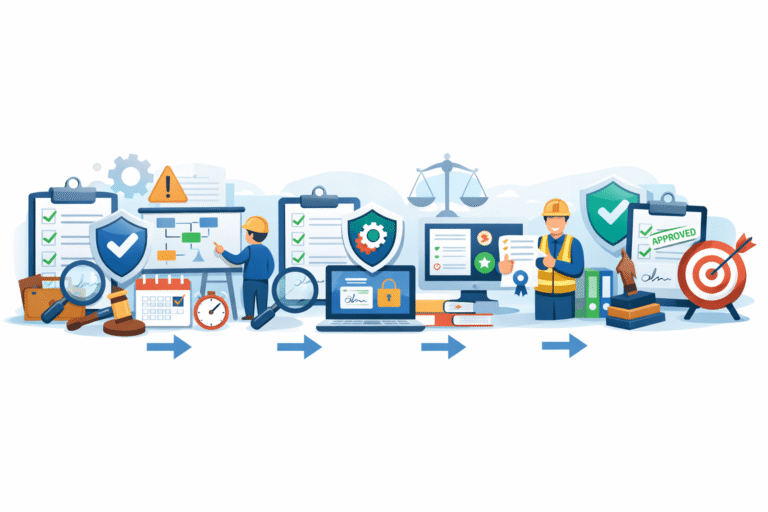
Step-by-Step Safe Compliance Setup Strategy
Step 1: Choose Business Structure
Selecting the right business structure is the first legal foundation of your pharma franchise. Whether it’s a proprietorship, LLP, or private limited company, your choice affects taxation, compliance, and scalability. Many beginners ignore this and face issues later during audits or expansion. A properly structured business also builds credibility with pharma companies and authorities.
Step 2: Finalize Premises
Your premises must meet drug license requirements in terms of space, layout, and ownership proof. In many real cases, applications get rejected due to improper documentation or non-compliant space. Ensure the area meets minimum size norms and is suitable for storage. A well-prepared premises speeds up license approval and avoids unnecessary delays.
Step 3: Hire Qualified Pharmacist
For retail drug licenses, having a registered pharmacist is mandatory. Many distributors try to manage with a “paper pharmacist,” which becomes a major risk during inspections. Authorities may verify physical presence or availability. Hiring a genuine and compliant pharmacist ensures smooth operations and avoids license-related issues.
Step 4: Apply for Drug License
Applying for a drug license is the most critical compliance step in starting a pharma franchise. The process involves document submission, inspection, and approval from the state drug authority. Even small mistakes in paperwork can delay approval significantly. Proper planning and documentation can help you get approval within 20–45 days.
Step 5: Get GST Registration
GST registration is essential for legal billing and tax compliance. Without it, you cannot issue proper invoices or claim input tax credit. Many beginners delay GST registration and face problems in transactions and audits. Ensure correct details and timely filing to avoid penalties and maintain financial transparency.
Step 6: Set Up Storage System
A proper storage system is crucial to maintain drug quality and comply with regulations. This includes refrigeration for temperature-sensitive products, proper shelving, and ventilation. Many compliance failures happen due to poor storage management. Setting up the right infrastructure from the beginning prevents both legal and financial losses.
Step 7: Implement Billing System
A reliable billing system ensures accurate invoicing, GST compliance, and proper record-keeping. Manual or incorrect billing often leads to errors that trigger audits. Using proper software and maintaining transparency helps avoid legal complications. Consistent and accurate billing builds trust with both customers and authorities.
Step 8: Maintain Daily Records
Daily record maintenance is essential for long-term compliance and audit readiness. This includes stock updates, sales records, purchase entries, and expiry tracking. Many distributors neglect this routine and struggle during inspections. Keeping records updated ensures smooth operations and protects your business from penalties.

Expert Insights / Mistakes to Avoid
Don’t Rush Into Stock Purchase Before License
Many beginners make the mistake of purchasing stock before obtaining a valid drug license. This is not only risky but also illegal, as you are not authorized to store or sell medicines. In real cases, such stock can be seized during inspection, leading to financial loss. Always secure your license first before investing in inventory. A planned start prevents unnecessary risk.
Don’t Trust “Agent Shortcuts
Agents often promise faster approvals or “easy” license processing through shortcuts. In reality, these shortcuts can lead to incomplete documentation or non-compliance issues later. During inspections, any irregularity can directly impact your license validity. What seems like a quick solution often becomes a long-term problem. Always follow the proper legal process, even if it takes more time.
Don’t Ignore Documentation Updates
Compliance doesn’t end after getting your license—it requires continuous documentation updates. Many distributors fail to update records, renew licenses, or maintain proper paperwork. This becomes a major issue during audits or surprise inspections. Keeping documents updated ensures smooth operations and avoids penalties. Consistency in documentation is key to long-term compliance.
Conclusion
The truth is simple:
- Pharma business is highly regulated
- Compliance is non-negotiable
- And mistakes are costly
If you are planning on starting a pharma franchise or entering the PCD pharma business in India, remember:
- Your license is your biggest asset
- Your compliance is your biggest protection
Build it right from Day 1.