
Documents Required For Pharma Franchise Business In India: Starting a pharma franchise looks simple on paper—choose a company, invest in stock, and start selling. But in reality, documentation is where most beginners get stuck, delayed, or even rejected.
In my experience working with 50+ distributors across Tier-1, Tier-2, and Tier-3 cities, I’ve seen one consistent pattern:
70% of beginners underestimate documentation complexity—and pay for it with delays of 30–90 days.
Most online guides just list documents. They don’t tell you:
- Why those documents matter legally
- What drug inspectors actually check
- Where applications fail in real life
This guide will give you ground-level clarity, so you can actually start your pharma franchise business without costly mistakes.
Basic Overview of Pharma Franchise Documentation
If you’re planning a PCD pharma franchise in India, understanding the Documents Required For Pharma Franchise Business In India is essential, as you are not just a “seller”—you are legally a drug distributor. That means you must comply with:
Drugs & Cosmetics Act, 1940
This is the core legal framework that regulates the manufacture, distribution, and sale of medicines in India. Your drug license is issued under this Act, and all compliance—storage, labeling, and handling—must follow its rules. Any violation can lead to penalties, license suspension, or even cancellation.
State Drug Control Department Rules
While the law is central, implementation is handled by the State Drug Control Department. They manage license approvals, inspections, and compliance checks. In real scenarios, each state may have slightly different strictness levels, and inspectors play a key role in approval or rejection.
GST and Business Compliance
GST registration is required for billing, taxation, and claiming input credit. Along with GST, you must maintain proper invoices, stock records, and financial documentation. However, GST alone does not allow you to sell medicines—it must be supported by a valid drug license.
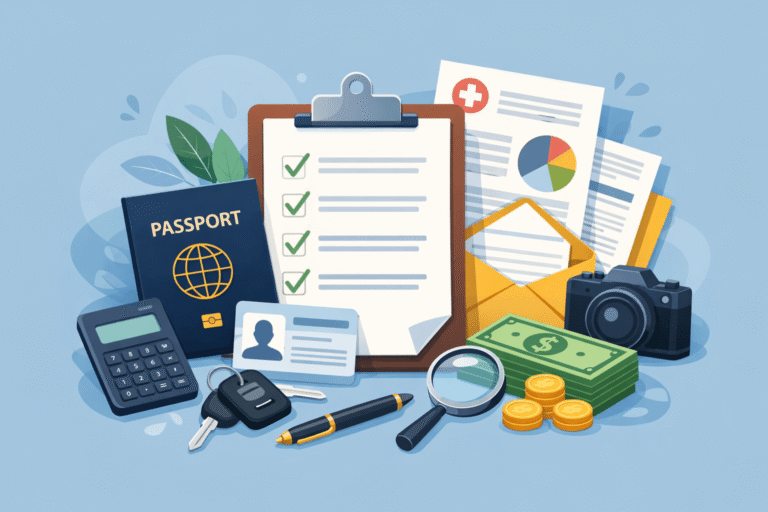
Complete List of Documents Required
1. Drug License
This is the backbone of your pharma franchise business—without it, you cannot legally sell or distribute medicines. Issued by the State Drug Control Department, it involves strict documentation and a physical inspection. In real cases, even small errors in premises or application details can delay approval by weeks. Most rejections happen due to improper setup or document mismatch.
2. GST Registration
GST is essential for billing, taxation, and running your business legally, but it does not replace a drug license. It’s quick to obtain online, usually within a week. However, many beginners make the mistake of mismatching business details with their drug license. This creates compliance issues later during operations.
3. Premises Proof (Ownership / Rent Agreement)
Your business location must be legally valid and properly documented, whether owned or rented. Drug authorities verify this to ensure medicines are stored in an approved commercial space. Common problems include missing NOC, non-notarized agreements, or residential property usage. In practice, premises-related issues are among the top reasons for rejection.
4. Pharmacist Registration
A registered pharmacist is mandatory if you are applying for a retail drug license. The registration is issued by the State Pharmacy Council and can take a few weeks. Many beginners overlook this requirement, which leads to major delays. Without it, your retail license application cannot move forward.
5. Identity & Address Proof
Basic KYC documents like PAN, Aadhaar, and photographs are required to verify your identity. While simple, errors like mismatched addresses or outdated details can create unnecessary objections. These small issues often delay processing more than expected. Keeping documents consistent and updated is crucial.
6. Constitution Documents (Business Type)
These documents define your business structure—whether you are a sole proprietor, partnership, or company. Authorities use them to verify ownership and legal responsibility, making them a crucial part of the legal documents needed to start a pharma franchise. Incorrect or unclear structure details can lead to confusion during approval. It’s important to finalize your business type before applying.
7. Bank Account Details
Bank documents like a cancelled cheque or statement are required for financial verification and GST linkage. They ensure that all transactions are tied to a legitimate business account. Any mismatch in account name and business name can create issues. Maintaining a dedicated business account is always recommended.
How It Actually Works in Real Market
On paper:
- Submit application
- Get approval
In reality
- File submission
- Query raised (almost always)
- Correction/resubmission
- Physical inspection
- Final approval
Real Timeline
- Ideal: 20–30 days
- Practical: 30–60 days

Common Mistakes That Lead to Rejection or Delay
From real field experience:
1. Premises Mistakes
One of the most common reasons for rejection is improper premises setup. Using a residential property without commercial approval or lacking basic storage infrastructure raises immediate red flags during inspection. Drug inspectors strictly check whether the location is legally valid and suitable for medicine storage. Even small gaps here can delay approval by weeks.
2. Documentation Mismatch
Name mismatches across GST, PAN, and drug license documents create unnecessary complications. Even minor spelling errors can lead to objections or outright rejection. In many cases, applicants don’t realize this until the file is under review, causing avoidable delays. Consistency across all documents is critical for smooth approval.
3. Incomplete Applications
Submitting an incomplete file is a guaranteed way to delay your license. Missing forms, incorrect annexures, or applying under the wrong license category can trigger queries from the department. Each correction cycle adds extra time and slows down your business launch. Accuracy and completeness at the first submission save weeks of effort.
4. Ignoring Inspection Preparation
Many applicants focus only on paperwork and ignore physical inspection readiness. Lack of a refrigerator, improper racks, or poor storage conditions often lead to inspection failure. Even if your documents are perfect, failing inspection means re-application or re-inspection delays. Preparing the site beforehand is just as important as documentation.
5. Over-Reliance on Agents
Depending completely on agents without verifying their work can be risky. Some agents rush applications with incomplete or incorrect details just to show quick progress. This often results in objections later, which the applicant has to fix. Staying involved in the process and double-checking everything is essential to avoid setbacks.

What Most Pharma Companies Won’t Tell You About Documentation
1. Companies Don’t Help in Licensing
Most pharma companies only provide basic guidance, but they do not handle your licensing process. Legally, the entire responsibility lies with you as the distributor. If any document is incorrect or compliance is missing, you—not the company—will face delays or penalties. This is a common misconception among first-time entrants.
2. Hidden Compliance Burden
Getting the license is just the beginning—ongoing compliance is where real responsibility starts. You must maintain proper records, ensure correct storage conditions, and regularly track product expiry. Many beginners ignore this and struggle later during inspections. Compliance is continuous, not one-time.
3. Risk of Fake Documents
Some agents offer shortcuts like “adjusting” a pharmacist or creating fake agreements to speed up approval. While it may seem tempting, this is highly risky and illegal. If caught, it can lead to license cancellation and serious legal consequences. In the long run, shortcuts always cost more than doing things correctly.
4. No Guarantee of Approval
Even if all your documents are in place, approval is not automatic. The final decision depends on physical inspection and compliance with storage standards. Many applications get delayed due to inspection failures. Proper preparation is essential to avoid rejections and repeated inspections.

Real Case Scenarios
Case 1: Rent Agreement Rejection
A distributor in Ahmedabad had:
- Valid GST
- Proper stock
But: Rent agreement lacked commercial usage clause
Result: License rejected, 45 days delay
Case 2: Missing Pharmacist
A beginner applied for a retail license without pharmacist registration. Result:
- Application stuck for 3 months
- Lost initial market opportunity
Case 3: Inspection Failure
All documents were correct. But:
- No proper refrigerator
- Poor storage setup
Result:
- Inspection failed
- Re-inspection after 20 days

Wholesale vs Retail License – What Should You Choose?
| Factor | Wholesale | Retail |
|---|---|---|
| Best for | PCD pharma business | Medical shop |
| Pharmacist | Not mandatory | Mandatory |
| Investment | Lower | Slightly higher |
| Compliance | Moderate | High |
For starting a PCD pharma franchise in India , a wholesale license is usually the better choice.

Step-by-Step Documentation Process
Step 1: Finalize Business Model
Start by clearly deciding whether you want to enter a PCD pharma business or operate as a distributor. This decision impacts your licensing type, investment, and working style. Choosing the right model early helps avoid confusion during documentation and setup.
Step 2: Arrange Premises
Secure a proper business location that meets legal and regulatory requirements. Ensure the space has valid ownership or a rent agreement, along with basic storage readiness. A compliant premises is essential for smooth license approval and inspection.
Step 3: Apply for Drug License
Select the correct license category (wholesale or retail) based on your business model. Prepare and submit a complete, error-free application to avoid delays. This step is critical, as approval depends on both documentation and inspection.
Step 4: Get GST Registration
Register for GST to legally bill and manage taxes for your business. Make sure all details match exactly with your drug license and business documents. Proper alignment prevents future compliance issues.
Step 5: Prepare Compliance Setup
Set up essential infrastructure like a refrigerator, storage racks, and basic record-keeping systems. These are not just formalities—they are checked during inspection. Proper compliance setup ensures smooth operations and avoids regulatory problems later.
Expert Tips to Avoid Legal & Compliance Issues
1. Double-Check Name Consistency
Always ensure that your name and business details match exactly across all documents like GST, PAN, and drug license. Even a small spelling difference can trigger objections or delays. In my experience, this is one of the simplest yet most overlooked mistakes that slows down approvals.
2. Don’t Rush Drug License Filing
Many beginners try to file quickly to “start fast,” but errors in the application can cost more time later. A single correction cycle can delay approval by 2–3 weeks. It’s always better to take a few extra days and submit a complete, error-free application.
3. Prepare Inspection Before Applying
Inspection is not a formality—it’s a critical approval step. If your premises lack basic requirements like a refrigerator or proper storage racks, your application can get stuck even after document approval. Preparing your setup in advance increases your chances of first-time approval.
4. Avoid Shortcut Agents
Be cautious of agents who promise guaranteed or fast-track approvals using shortcuts. Many of them submit incomplete or manipulated documents, which can lead to rejection or legal issues later. Always stay involved and verify everything before submission.
5. Keep a 30–45 Day Buffer
Don’t plan stock purchase or business launch immediately after applying. Drug license approval typically takes 30–45 days in real scenarios. Keeping a buffer helps you avoid financial pressure and ensures you’re fully compliant before starting operations.
In my experience, those who prepare documentation properly succeed faster than those who invest more money.
Conclusion
Starting a pharma franchise business is not difficult—but documentation discipline decides your success speed.
If you’re serious about entering the pharma franchise business model, understand this:
- Investment matters
- Products matter
- But documentation is your entry gate
Get it right, and your journey becomes smooth. Get it wrong, and even a ₹2–3 lakh investment can stay blocked for months.