
The veterinary healthcare industry is undergoing a major transformation. Rising livestock populations, increasing pet ownership, growing awareness about animal health, and technological advancements are reshaping the way veterinary medicines are developed and manufactured.
The Future Of Veterinary Healthcare Manufacturing will be driven by innovation, automation, biotechnology, precision medicine, sustainable production practices, and stronger regulatory compliance. As demand for safer and more effective animal healthcare solutions increases, manufacturers must adapt to new market requirements and evolving veterinary healthcare sector trends.
For pharmaceutical companies, distributors, and investors, understanding these changes can help identify future growth opportunities and build a competitive advantage in the rapidly expanding animal healthcare manufacturing industry.
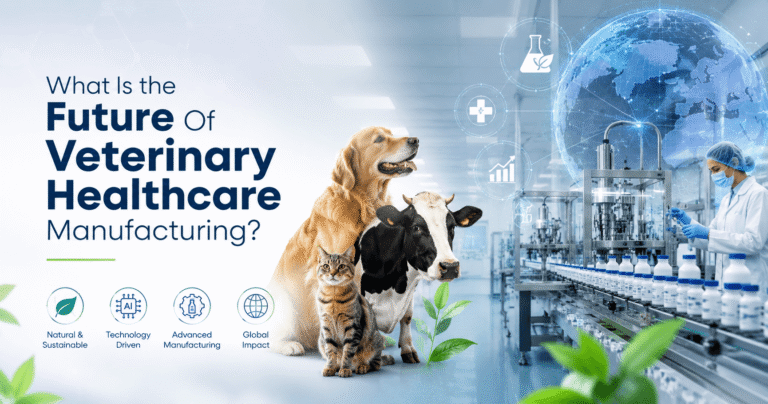
What Is the Future Of Veterinary Healthcare Manufacturing?
The Future Of Veterinary Healthcare Manufacturing lies in advanced formulations, AI-powered production systems, veterinary biologics, vaccine development, precision animal healthcare, herbal veterinary products, and sustainable manufacturing practices. Growing global demand for livestock productivity and companion animal care will drive veterinary healthcare market growth through 2030 and beyond. Companies that invest in innovation, quality compliance, digital technologies, and research-driven product development will lead the future of veterinary pharmaceutical manufacturing.
The Foundation of Modern Veterinary Healthcare Manufacturing
Veterinary healthcare manufacturing involves the development, production, packaging, and distribution of products designed to prevent, diagnose, and treat diseases in animals. According to the World Health Organization (WHO), animal health plays a vital role in food safety, food security, public health, and the prevention of zoonotic diseases. As a result, veterinary healthcare manufacturing has become an essential part of modern animal healthcare systems worldwide.
These products include:
- Veterinary medicines
- Animal feed supplements
- Vaccines
- Nutraceuticals
- Herbal veterinary products
- Dewormers
- Antibiotics
- Mineral mixtures
- Calcium supplements
- Injectable formulations
- Oral liquids
- Veterinary boluses
The industry serves:
- Dairy farms
- Poultry farms
- Livestock producers
- Pet owners
- Veterinary hospitals
- Animal healthcare professionals
As animal health becomes a critical component of food security and economic sustainability, the future of the animal healthcare industry looks stronger than ever.
Why Veterinary Healthcare Manufacturing Is Growing Rapidly
Several factors contribute to increasing demand:
Growth Driver | Impact on Industry |
Rising pet ownership | Higher demand for companion animal medicines |
Expanding dairy sector | Increased livestock healthcare requirements |
Poultry industry growth | Greater need for preventive healthcare |
Disease prevention focus | Increased vaccine demand |
Export opportunities | Global expansion of veterinary manufacturers |
Regulatory improvements | Better product quality and safety |
Awareness among farmers | Higher adoption of veterinary healthcare products |
These factors continue to support strong veterinary healthcare market growth worldwide.
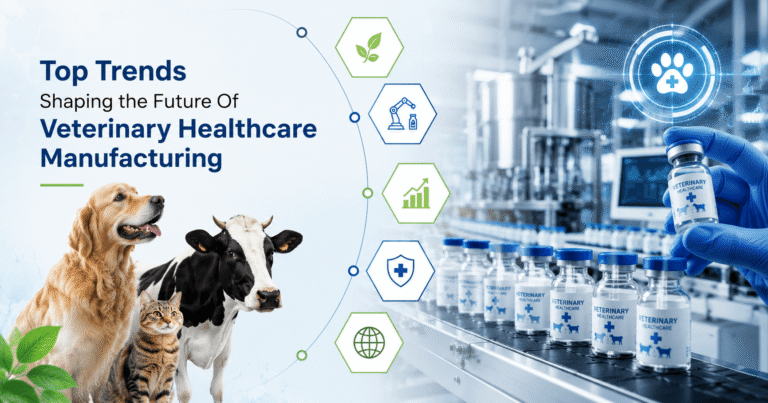
Top Trends Shaping the Future Of Veterinary Healthcare Manufacturing
1. Artificial Intelligence in Manufacturing
Artificial Intelligence helps veterinary manufacturers improve product quality, optimize production processes, and reduce operational errors. By using real-time data and predictive analytics, AI supports safer, more efficient, and reliable animal healthcare manufacturing.
Applications include:
- Predictive maintenance
- Quality control automation
- Production optimization
- Demand forecasting
- Inventory management
AI helps manufacturers reduce costs, improve consistency, and increase efficiency.
Industry Impact
- Faster production cycles
- Reduced manufacturing errors
- Better compliance monitoring
- Improved supply chain visibility
2. Growth of Veterinary Biologics and Vaccines
Veterinary biologics and vaccines help prevent diseases before they affect animal health and productivity. Growing demand for disease prevention is encouraging manufacturers to invest in advanced vaccine development and innovative biologic solutions.
Veterinary vaccines help:
- Reduce disease outbreaks
- Improve livestock productivity
- Minimize antibiotic dependency
Manufacturers are investing heavily in:
- Recombinant vaccines
- DNA vaccines
- Poultry vaccines
- Livestock immunization solutions
This represents one of the strongest veterinary pharmaceutical market outlook opportunities.
3. Precision Veterinary Medicine
Precision veterinary medicine enables more targeted treatments based on an animal’s specific health needs, breed, age, and condition. This approach improves treatment outcomes, reduces unnecessary medication use, and supports better animal welfare.
- Species
- Breed
- Age
- Health condition
- Genetic factors
Future veterinary formulations will become more targeted and personalized.
Benefits include:
- Better treatment outcomes
- Reduced adverse reactions
- Optimized dosing
- Improved animal welfare
4. Expansion of Herbal and Natural Veterinary Products
The demand for herbal and natural veterinary products is growing as farmers and pet owners seek safer and more sustainable healthcare options. These products support animal health while aligning with the increasing preference for preventive and natural wellness solutions.
Popular categories include:
- Herbal immunity boosters
- Liver tonics
- Digestive supplements
- Stress management products
- Reproductive health formulations
India is becoming a major hub for herbal veterinary product manufacturing. This trend is expected to significantly influence veterinary medicine manufacturing trends over the next decade.
5. Sustainable Manufacturing Practices
Sustainable manufacturing practices help veterinary companies reduce environmental impact while maintaining high product quality standards. By adopting energy-efficient processes and responsible resource management, manufacturers can support long-term industry growth and environmental stewardship.
Leading manufacturers now focus on:
- Energy-efficient facilities
- Waste reduction
- Water conservation
- Eco-friendly packaging
- Green manufacturing technologies
Sustainable production not only supports environmental goals but also improves corporate reputation.
6. Automation and Smart Manufacturing
Automation and smart manufacturing technologies help improve production accuracy, efficiency, and consistency in veterinary pharmaceutical facilities. These advanced systems reduce human errors, streamline operations, and ensure reliable product quality.
Smart manufacturing includes:
- Robotics
- Automated packaging
- Digital monitoring systems
- IoT-enabled production equipment
Advantages include:
- Greater accuracy
- Higher productivity
- Lower operational costs
- Enhanced product quality
7. Advanced Drug Delivery Systems
Advanced drug delivery systems improve how veterinary medicines are administered and absorbed by animals. These innovative formulations help enhance treatment effectiveness, support accurate dosing, and improve overall animal health outcomes.
Emerging technologies include:
- Controlled-release formulations
- Long-acting injectables
- Nano-formulations
- Oral dissolvable systems
- Targeted drug delivery
These technologies improve compliance and treatment outcomes.
8. Stronger Regulatory Compliance
Stronger regulatory compliance ensures that veterinary healthcare products meet strict quality, safety, and efficacy standards. By following GMP guidelines and international regulations, manufacturers can build trust and expand their presence in global markets.
- GMP certification
- WHO-compliant manufacturing
- Product traceability
- Pharmacovigilance systems
Companies with robust quality management systems will gain greater international acceptance.
Benefits of Modern Veterinary Healthcare Manufacturing
For Farmers
- Improved animal productivity
- Better disease prevention
- Reduced mortality rates
- Increased profitability
For Veterinarians
- Access to innovative therapies
- Improved treatment success
- Better patient management
For Manufacturers
- Expanded market opportunities
- Stronger brand reputation
- Higher export potential
For Animal Owners
- Better healthcare outcomes
- Enhanced animal welfare
- Improved quality of life for pets
Key Features of Future Veterinary Manufacturing Facilities
Modern veterinary production plants are expected to include:
- AI-powered quality control systems
- Automated manufacturing lines
- Advanced laboratory infrastructure
- Digital documentation systems
- Real-time production monitoring
- Sustainable energy management
- Global quality compliance frameworks
These features improve productivity and ensure consistent product quality.
Veterinary Manufacturing Technologies Comparison
Technology | Current Use | Future Potential |
Traditional Production | High | Moderate |
Automation | Moderate | Very High |
Artificial Intelligence | Emerging | Very High |
Biotechnology | Growing | Extremely High |
Precision Medicine | Emerging | High |
Nanotechnology | Limited | High |
Smart Manufacturing | Growing | Very High |
Market Demand and Business Opportunities
The future of veterinary pharma industry presents significant opportunities for:
As global demand for animal healthcare products grows, veterinary pharmaceutical manufacturing companies are expanding their capabilities through innovation, exports, and strategic partnerships.
PCD Pharma Companies
- Veterinary franchise expansion
- Exclusive product portfolios
- Rural market penetration
Distributors
- Growing demand from livestock sectors
- Expanding veterinary clinics
- Increased product diversification
Manufacturers
- Contract manufacturing
- Third-party manufacturing
- Export partnerships
- Private labeling services
Investors
- High-growth healthcare segment
- Strong long-term market potential
- Expanding global demand
Expert Recommendations for Veterinary Manufacturers
To stay competitive in the future:
Invest in Research and Development
Research and development helps veterinary manufacturers create safer, more effective, and innovative animal healthcare products. By understanding emerging disease challenges and market needs, companies can develop solutions that improve animal health outcomes and support long-term industry growth.
Focus on Quality Compliance
Quality compliance builds trust among veterinarians, farmers, distributors, and regulatory authorities. Following GMP standards and maintaining international certifications ensures product safety, consistency, and reliability while helping manufacturers meet domestic and global market requirements.
Embrace Digital Transformation
Digital technologies such as automation, artificial intelligence, and data analytics improve manufacturing efficiency and product quality. These tools help reduce errors, optimize production processes, and enable faster decision-making in a highly competitive veterinary pharmaceutical industry.
Expand Product Diversification
A diverse product portfolio allows manufacturers to address the changing needs of livestock owners, veterinarians, and pet care providers. Offering nutraceuticals, herbal formulations, vaccines, and feed supplements can create new revenue opportunities while supporting comprehensive animal healthcare.
Build Global Partnerships
Strategic partnerships with international distributors, healthcare companies, and research organizations can accelerate business growth. Global collaborations help manufacturers access new markets, strengthen supply chains, and stay informed about the latest developments in veterinary healthcare worldwide..
Conclusion
The Future Of Veterinary Healthcare Manufacturing will be shaped by innovation, technology, sustainability, and quality-driven production. As veterinary healthcare market growth continues worldwide, manufacturers that invest in advanced technologies, research, compliance, and customer-focused product development will remain ahead of the competition.
The next decade will bring significant changes to veterinary pharmaceutical manufacturing, creating new opportunities for businesses, distributors, investors, and healthcare professionals. Companies that adapt early to these veterinary healthcare sector trends will be best positioned for long-term success.
ABOUT THE AUTHOR

Mitesh Vyas
My name is Mitesh Vyas, and I am a Pharma Franchise Consultant and Industry Research Analyst specializing in India’s PCD pharma business ecosystem. My work focuses on helping beginners, distributors, and small pharma entrepreneurs understand the real-world functioning of the pharma franchise model. Unlike theoretical content, my insights are based on ground-level observations from Indian pharmaceutical markets, including Tier-1, Tier-2, and Tier-3 cities such as Ahmedabad, Indore, Lucknow, and surrounding business hubs. I regularly share insights on how the pharma franchise business in India works in real market conditions, including investment, product strategy, and growth challenges.