
Low MOQ Ayurvedic Manufacturing : The Ayurvedic industry in India continues to grow rapidly as consumers increasingly choose natural healthcare products, herbal supplements, immunity boosters, skincare solutions, and wellness formulations. However, many startups, doctors, distributors, wellness brands, and entrepreneurs hesitate to enter the market because of high manufacturing requirements and large inventory investments.
This is where a Low MOQ Ayurvedic Manufacturer becomes a game changer.
With low minimum order quantities, businesses can launch their own Ayurvedic products without investing lakhs of rupees in inventory. Whether you want to start a private label herbal brand, test a new formulation, or expand your product portfolio, low MOQ manufacturing offers flexibility, affordability, and lower risk.
What is a Low MOQ Ayurvedic Manufacturer, and who can benefit from it?
A Low MOQ Ayurvedic Manufacturer is a company that produces Ayurvedic medicines, herbal supplements, wellness products, personal care products, and nutraceuticals in small quantities instead of requiring large production orders.
Low MOQ manufacturing typically allows businesses to start with smaller quantities, reducing investment risk and making it easier to launch new products. It is ideal for startups, doctors, clinics, online sellers, wellness brands, exporters, and PCD pharma entrepreneurs who want to enter the Ayurvedic market without maintaining huge inventories.
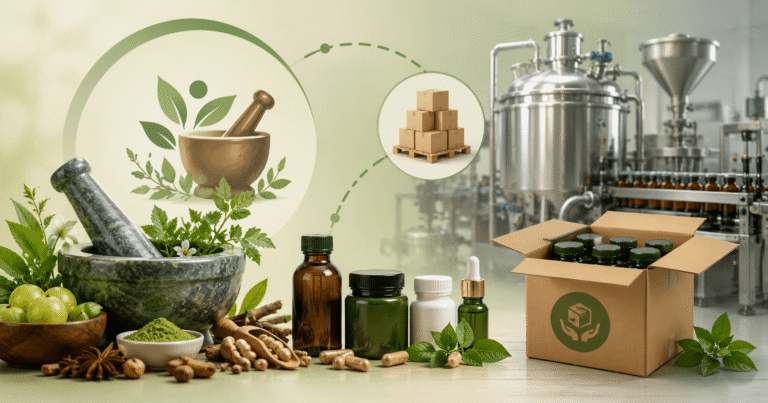
Understanding Low MOQ Ayurvedic Manufacturing
MOQ stands for Minimum Order Quantity. Traditional manufacturing companies often require large production volumes, which can be difficult for new businesses. A low MOQ ayurvedic products manufacturer offers production in smaller batches while maintaining quality standards and regulatory compliance.
This model helps businesses:
- Launch products faster
- Test market demand
- Reduce storage costs
- Manage cash flow efficiently
- Minimize inventory risks
- Expand product lines gradually
Many successful herbal brands started with small production batches before scaling nationwide.
Why Low MOQ Manufacturing is Becoming Popular
Several factors have increased the demand for low quantity manufacturing:
Growing Herbal Product Demand
Consumers increasingly seek:
- Ayurvedic medicines
- Herbal immunity products
- Natural skincare
- Herbal hair care
- Digestive health supplements
- Women’s wellness products
Rise of D2C Brands
Direct-to-consumer brands now sell through:
- E-commerce websites
- Marketplaces
- Social media platforms
- Healthcare portals
Small production runs help these businesses launch quickly.
Lower Startup Costs
New entrepreneurs prefer lean business models that require lower investment and lower risk.
Product Testing Opportunities
Brands can test:
- Packaging
- Product acceptance
- Pricing
- Consumer feedback
before scaling production.
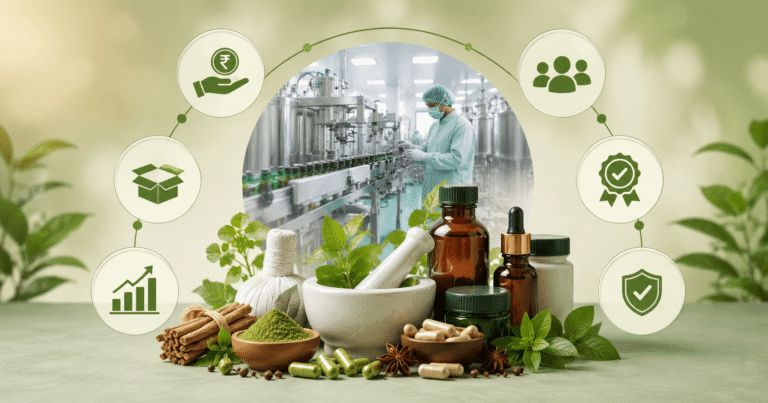
Benefits of Choosing a Low MOQ Ayurvedic Manufacturer
1. Lower Initial Investment
One of the biggest advantages is reduced capital requirements. Businesses can launch products without investing heavily in stock.
Benefits include:
- Better cash flow
- Lower financial risk
- Faster business launch
- Easier inventory management
2. Faster Product Launch
A small batch ayurvedic manufacturer can often complete production faster than large-scale projects.
This helps businesses:
- Enter the market quickly
- Respond to trends faster
- Launch seasonal products
3. Reduced Inventory Risk
Large inventories often lead to:
- Product expiry
- Storage expenses
- Dead stock
Low MOQ production minimizes these challenges.
4. Ideal for Startups
New businesses often struggle with uncertain demand.
Low MOQ manufacturing allows entrepreneurs to:
- Start small
- Learn customer preferences
- Scale gradually
5. Easier Product Diversification
Instead of investing in one product, businesses can launch multiple products simultaneously.
For example:
- Ashwagandha Capsules
- Giloy Tablets
- Herbal Liver Syrup
- Aloe Vera Juice
- Ayurvedic Hair Oil
This increases market opportunities.
Who Should Choose Low MOQ Ayurvedic Manufacturing?
Startups
New businesses launching a herbal brand can enter the market quickly with customized formulations and private labeling solutions. This helps reduce development time and allows them to focus on building their brand and customer base.
Doctors and Clinics
Doctors and clinics can offer personalized herbal products under their own brand name to strengthen patient trust and expand healthcare services. Customized solutions also help create a unique identity in the market.
Wellness Brands
Wellness companies looking to expand into herbal healthcare can add high-demand products to their existing portfolio through cost-effective Ayurvedic product manufacturing, helping them scale efficiently. This supports business growth while meeting the increasing demand for natural wellness solutions.
PCD Pharma Entrepreneurs
PCD pharma entrepreneurs can build and grow their franchise distribution networks with quality herbal products. Private labeling allows them to establish a strong market presence with their own brand identity.
Online Sellers
Online sellers on marketplaces and D2C platforms can launch branded herbal products without investing in manufacturing infrastructure. This creates opportunities to reach a larger audience and scale efficiently.
Export Businesses
Businesses exploring international markets can test herbal products with lower initial investment and risk. It helps them evaluate demand and expand globally before scaling operations.
Types of Products Available Under Low MOQ Manufacturing
Many manufacturers offer small batch production across multiple categories.
Ayurvedic Medicines
- Tablets
- Capsules
- Syrups
- Churna
- Drops
Nutraceutical Products
- Multivitamins
- Protein supplements
- Immunity boosters
Herbal Personal Care
- Face wash
- Shampoo
- Hair oil
- Soap
- Creams
Wellness Products
- Herbal tea
- Detox products
- Weight management supplements
Specialty Products
- Women’s health products
- Men’s wellness products
- Pediatric formulations
- Geriatric healthcare products
Why Choose TejSol Pro:
- Evidence-based strategy of quantifiable ROI.
- Skills in multi-channel paid campaign management.
Key Features of a Reliable Low MOQ Ayurvedic Manufacturer
| Feature | Why It Matters |
|---|---|
| GMP Certification | Ensures quality manufacturing |
| AYUSH Compliance | Regulatory approval and safety |
| Quality Testing | Product consistency |
| Private Label Services | Brand ownership |
| Custom Formulation Support | Product uniqueness |
| Packaging Solutions | Professional market presentation |
| R&D Team | Innovation and formulation development |
| Transparent Pricing | Better budgeting |
Manufacturing Process Followed by Ayurvedic Companies
Step 1: Product Selection
Select from ready-made formulations or create custom products based on your brand requirements and target market needs. This helps ensure the product aligns with your business goals.
Step 2: Formula Development
Our experts finalize the formulation by selecting the right ingredients, composition, and dosage. The process ensures product effectiveness, safety, and quality standards.
Step 3: Raw Material Procurement
Premium-quality herbal ingredients are carefully sourced from trusted suppliers. Strict standards are maintained to ensure purity and consistency.
Step 4: Production
Manufacturing is carried out in GMP-certified facilities using advanced processes and controlled environments. This ensures reliable and efficient production.
Step 5: Quality Testing
Each product undergoes multiple quality checks and testing procedures. This helps maintain safety, consistency, and compliance with industry standards.
Step 6: Packaging
Customized packaging is designed and applied according to your brand identity and product requirements. Attractive and secure packaging enhances market appeal.
Step 7: Delivery
Once production and packaging are completed, the finished products are safely dispatched to the client. Timely delivery ensures a smooth supply process.
Common Ayurvedic Ingredients Used
Depending on the product category, manufacturers may use:
- Ashwagandha
- Giloy
- Tulsi
- Shilajit
- Aloe Vera
- Neem
- Amla
- Brahmi
- Mulethi
- Triphala
- Guggul
- Safed Musli
- Arjuna
Manufacturers must ensure ingredient quality, purity, and authenticity.
Side Effects and Safety Considerations
Ayurvedic products are generally considered safe when manufactured according to established quality standards.
However, users should:
- Follow recommended dosage instructions
- Consult healthcare professionals when needed
- Avoid self-medication for serious conditions
- Purchase products from certified manufacturers
Manufacturers must comply with AYUSH guidelines and quality regulations.
Dosage Information
Dosage varies depending on:
- Product type
- Formulation strength
- Age group
- Health condition
Consumers should always follow product labels or medical advice.
Low MOQ vs Traditional Ayurvedic Manufacturing
| Factor | Low MOQ Manufacturing | Traditional Manufacturing |
|---|---|---|
| Initial Investment | Low | High |
| Inventory Requirement | Small | Large |
| Risk Level | Lower | Higher |
| Product Testing | Easy | Difficult |
| Cash Flow | Better | More Capital Intensive |
| Flexibility | High | Limited |
| Market Entry Speed | Fast | Slower |
Market Demand and Business Opportunity
Increasing Health Awareness
Consumers are becoming more conscious about their health and lifestyle choices, leading to a growing preference for natural and herbal healthcare products. This shift is driving increased demand for Ayurvedic and wellness solutions.
Growing E-commerce Sales
The rapid growth of e-commerce platforms has made herbal products more accessible to customers across different regions. Businesses can now reach a wider audience and scale more efficiently through online channels.
Demand for Preventive Healthcare
People are focusing more on prevention rather than treatment by investing in immunity, wellness, and healthier lifestyles. This trend has significantly increased demand for herbal and Ayurvedic products.
Export Opportunities
Global demand for herbal and natural healthcare products continues to rise as consumers seek safer and plant-based alternatives. This creates strong opportunities for businesses to expand into international markets.
Private Label Growth
Businesses increasingly prefer launching branded Ayurvedic products instead of selling generic products to build customer trust and brand recognition. Private labeling also offers better market positioning and long-term growth potential.
Strong Business Opportunities
These emerging trends create significant growth opportunities for startups, entrepreneurs, and franchise businesses. Companies can enter expanding markets with lower risks and higher scalability potential.
Expert Tips Before Selecting a Low MOQ Ayurvedic Manufacturer
Verify Certifications
Before choosing a manufacturing partner, verify important certifications to ensure compliance and product reliability. Check for GMP Certification, AYUSH License, FSSAI approval (where applicable), and ISO Certification.
Evaluate Product Quality
Product quality directly impacts customer trust and brand reputation, making it important to follow standards aligned with recommendations from the World Health Organization. Request product samples, COA (Certificate of Analysis) reports, and testing records to assess consistency and quality standards.
Check Packaging Options
Modern and attractive packaging plays an important role in influencing customer decisions and improving brand value. Well-designed packaging also helps products stand out in a competitive market.
Understand MOQ Clearly
Always discuss minimum order quantity requirements in detail before starting production. Ask specifically about product-wise MOQ, packaging MOQ, and label MOQ to avoid unexpected costs.
Review Manufacturing Capacity
Choose a manufacturing partner with the ability to support future business expansion. A scalable production setup ensures smooth operations as demand increases.
Ask About Customization
Custom formulations allow businesses to create unique products that stand out from competitors. This helps build stronger brand identity and offer differentiated solutions to customers.
Conclusion
Choosing a Low MOQ Ayurvedic Manufacturer offers an excellent opportunity for entrepreneurs, healthcare professionals, distributors, and wellness brands to enter the rapidly growing Ayurvedic market with minimal risk.
A reliable manufacturing partner allows businesses to launch products faster, reduce inventory costs, test market demand efficiently, and scale gradually. Whether you are planning a private label herbal brand, expanding your healthcare business, or entering the PCD pharma sector, low MOQ manufacturing provides the flexibility needed to succeed in today’s competitive market.
Low MOQ Ayurvedic Manufacturing - FAQs
What does MOQ mean in Ayurvedic manufacturing?
Who can benefit from low MOQ Ayurvedic manufacturing?
Is low MOQ manufacturing expensive?
Can I launch my own Ayurvedic brand with low MOQ?
What products can be manufactured under low MOQ?
ABOUT THE AUTHOR

Mitesh Vyas
My name is Mitesh Vyas, and I am a Pharma Franchise Consultant and Industry Research Analyst specializing in India’s PCD pharma business ecosystem. My work focuses on helping beginners, distributors, and small pharma entrepreneurs understand the real-world functioning of the pharma franchise model. Unlike theoretical content, my insights are based on ground-level observations from Indian pharmaceutical markets, including Tier-1, Tier-2, and Tier-3 cities such as Ahmedabad, Indore, Lucknow, and surrounding business hubs. I regularly share insights on how the pharma franchise business in India works in real market conditions, including investment, product strategy, and growth challenges.