
India’s healthcare industry continues to shift toward preventive and holistic wellness. Ayurveda, one of the world’s oldest healing systems, now stands at the center of this change. Consumers no longer look only for treatment after illness. They actively search for immunity support, stress management, digestive health solutions, and natural lifestyle products.
The Ayurvedic Medicine Trends in India show a major transformation in 2026. Better awareness, digital healthcare adoption, government support, modern manufacturing standards, and rising demand for natural products continue to push industry growth.
Doctors, pharma distributors, PCD franchise companies, wholesalers, and healthcare investors now see Ayurveda as a strong long-term opportunity rather than a niche market.
Ayurvedic Medicine Trends in India 2026: Growth, Demand & Future Outlook
The Ayurvedic Medicine Trends in India in 2026 show rapid growth because consumers increasingly prefer natural healthcare solutions. Rising awareness of preventive health, immunity-boosting products, herbal supplements, online healthcare platforms, and government initiatives continue to support expansion. The Ayurvedic market growth India 2026 outlook also benefits from changing lifestyle patterns, increased stress levels, and demand for chemical-free wellness products. Digital consultations, personalized Ayurveda, nutraceuticals, herbal skincare, and PCD pharma opportunities now shape the future of Ayurveda in India.
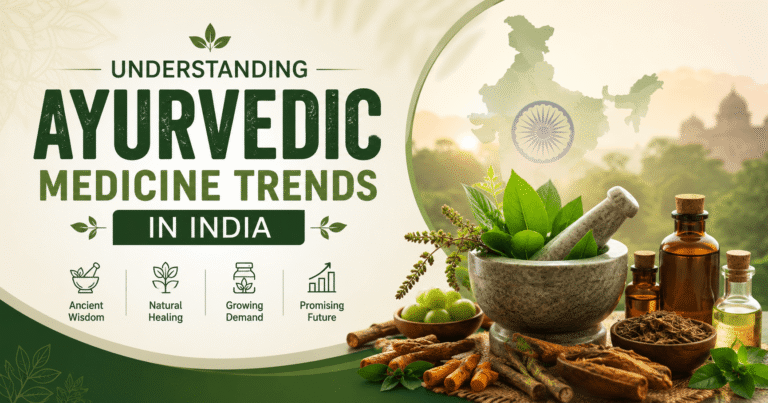
Understanding Ayurvedic Medicine Trends in India
Ayurveda combines natural ingredients, lifestyle management, nutrition, and traditional healing practices.
The current market does not focus only on classic Ayurvedic medicines. Companies now develop products across multiple categories:
- Immunity supplements
- Herbal tablets
- Digestive products
- Skin care solutions
- Hair care products
- Nutraceuticals
- Women’s wellness products
- Stress management products
- Ayurvedic syrups
- Herbal powders
- Personal care products
Consumers today want science-backed traditional products with better convenience.
For example:
Ten years ago many people preferred homemade herbal preparations.
In 2026, consumers prefer:
- Ready-to-use herbal capsules
- Sugar-free Ayurvedic syrups
- Herbal gummies
- Effervescent formulations
- Wellness drinks
- Personalized health kits
This change drives major Ayurveda industry trends.
Major Factors Driving Ayurvedic Market Growth India 2026
1. Growing Focus on Preventive Healthcare
People now invest in staying healthy rather than waiting for diseases.
Consumers increasingly choose:
- Daily immunity support
- Gut health products
- Detox solutions
- Stress relief supplements
- Sleep wellness products
Preventive healthcare creates strong long-term demand.
2. Higher Demand for Natural Products
Many consumers read product labels carefully.
They often prefer products with:
- Herbal ingredients
- Fewer synthetic additives
- Plant-based formulations
- Traditional medicinal herbs
Popular herbs include:
- Ashwagandha
- Tulsi
- Giloy
- Turmeric
- Brahmi
- Shatavari
- Neem
3. Expansion of Digital Healthcare
The expansion of digital healthcare refers to the growing use of technology to improve medical services and patient care. It includes telemedicine, mobile health apps, electronic health records, and wearable devices. The rise of digital platforms is also helping industries such as the Ayurvedic Medicine Manufacturer in India sector reach more patients and improve healthcare accessibility. These technologies make healthcare more efficient, convenient, and patient-focused.
Digital health platforms changed patient behavior.
Consumers now use:
- Online consultations
- E-pharmacies
- Telemedicine
- Health apps
- Personalized wellness subscriptions
Ayurvedic brands gain wider access through digital channels.
4. Government Support
India continues promoting traditional medicine systems through policy support and awareness initiatives.
Support areas include:
- Research programs
- Standardization efforts
- Manufacturing quality improvements
- Export opportunities
- Startup support
Government initiatives increase trust and industry expansion.
5. Lifestyle Diseases Continue to Rise
Modern lifestyles increase health concerns such as:
- Obesity
- Stress
- Anxiety
- Sleep problems
- Diabetes risk factors
- Digestive disorders
Consumers increasingly explore Ayurvedic approaches for long-term wellness support.
Read More:- How To Grow The Ayurvedic Pharma Business ?
Benefits of Current Ayurvedic Healthcare Trends
The latest Ayurvedic healthcare trends provide multiple advantages.
For Patients
- Better preventive care
- Natural wellness options
- Holistic health support
- Lifestyle improvement guidance
- Personalized treatment approaches
For Doctors
- Integrative treatment opportunities
- Growing patient interest
- Wider therapeutic choices
For PCD Pharma Businesses
- Increasing market demand
- Better franchise opportunities
- New product categories
- Higher regional penetration
For Medical Store Owners
- Strong repeat demand
- Broad product range
- Better customer retention
Uses of Modern Ayurvedic Products
| Health Area | Common Product Type |
|---|---|
| Immunity support | Herbal syrups, capsules |
| Stress management | Adaptogenic supplements |
| Digestive wellness | Churna, tablets |
| Skin health | Herbal creams |
| Hair care | Oils and shampoos |
| Women's wellness | Herbal formulations |
| Joint support | Pain oils and tablets |
| Sleep support | Herbal combinations |
Key Features of the Modern Ayurveda Industry
Science-backed product development
Companies increasingly validate products through research.
Better manufacturing standards
Manufacturers now follow:
- GMP practices
- Quality testing
- Ingredient standardization
Personalized healthcare
Many companies use:
- Health assessments
- Lifestyle profiling
- Digital consultations
Convenient dosage forms
Consumers prefer:
- Tablets
- Capsules
- Gummies
- Sachets
- Wellness drinks
Composition and Ingredient Trends
| Ingredient | Common Purpose |
|---|---|
| Ashwagandha | Stress support |
| Giloy | Immunity support |
| Turmeric | Anti-inflammatory support |
| Tulsi | Respiratory wellness |
| Brahmi | Cognitive wellness |
| Shatavari | Women's health |
| Neem | Skin support |
Side Effects and Safety Considerations
Ayurvedic medicines may appear natural, but consumers still need proper guidance.
Possible concerns include:
- Herb interactions with medicines
- Excess dosage issues
- Product quality differences
- Self-medication risks
Safety Note:
Patients should consult qualified healthcare professionals before using Ayurvedic products, especially during pregnancy, chronic disease management, or when taking prescription medicines.
Dosage Information
Dosage varies based on:
- Patient age
- Health condition
- Formulation type
- Ingredient concentration
- Medical advice
Consumers should always follow:
- Product labels
- Physician recommendations
- Manufacturer instructions
Avoid self-adjusting dosage.
Comparison Table: Traditional Ayurveda vs Modern Ayurveda Industry
| Parameter | Traditional Ayurveda | Modern Ayurveda Industry |
|---|---|---|
| Delivery method | Homemade preparations | Capsules, tablets, gummies |
| Availability | Local clinics | Online and offline channels |
| Personalization | Practitioner-based | Digital and AI-assisted |
| Manufacturing | Small scale | Large-scale standardized production |
| Research support | Traditional knowledge | Clinical and scientific studies |
Market Demand and PCD Pharma Opportunity
The Future of Ayurveda in India creates significant opportunities for pharma businesses.
Growing areas include:
High-demand product segments
- Immunity products
- Nutraceuticals
- Herbal personal care
- Women’s wellness
- Child healthcare
- Lifestyle management products
PCD franchise opportunities
Franchise businesses can benefit from:
- Lower investment models
- Increasing customer awareness
- Expanding distribution networks
- Product diversification
Export opportunities
Indian Ayurvedic products continue gaining international attention because of:
- Herbal medicine acceptance
- Wellness tourism
- Natural product demand
Expert Recommendations
Healthcare professionals and industry experts recommend:
- Focus on quality over quantity
- Choose standardized formulations
- Verify manufacturing certifications
- Educate customers about proper use
- Avoid unrealistic health claims
- Combine traditional knowledge with scientific evidence
- Monitor changing consumer preferences
Conclusion
The Ayurvedic Medicine Trends in India clearly indicate that Ayurveda continues moving from traditional use toward modern healthcare integration. The Ayurvedic market growth India 2026 outlook reflects stronger consumer trust, wider product innovation, digital expansion, and preventive healthcare awareness.
Businesses, distributors, doctors, and healthcare professionals who understand these changes can benefit from emerging opportunities.
Ayurveda no longer serves only as a traditional system. It now represents a growing healthcare and wellness ecosystem.
Ayurvedic Medicine Trends In India :FAQs
Is Ayurveda growing in India in 2026?
Why do people prefer Ayurvedic medicines?
Is Ayurvedic medicine safe?
What is the future of Ayurveda in India?
ABOUT THE AUTHOR

Mitesh Vyas
My name is Mitesh Vyas, and I am a Pharma Franchise Consultant and Industry Research Analyst specializing in India’s PCD pharma business ecosystem. My work focuses on helping beginners, distributors, and small pharma entrepreneurs understand the real-world functioning of the pharma franchise model. Unlike theoretical content, my insights are based on ground-level observations from Indian pharmaceutical markets, including Tier-1, Tier-2, and Tier-3 cities such as Ahmedabad, Indore, Lucknow, and surrounding business hubs. I regularly share insights on how the pharma franchise business in India works in real market conditions, including investment, product strategy, and growth challenges.