
If you’ve ever entered the PCD pharma franchise in India, you already know one hard truth:
Retailers (chemists) are the real gatekeepers of your business.
You can generate prescriptions. You can invest in marketing. You can even have monopoly rights on paper.
But if the retailer doesn’t push your brand, your stock simply won’t move.
In my 10+ years of on-ground experience working across Tier-1, Tier-2, and Tier-3 cities, I’ve seen this pattern repeatedly:
- Most new distributors focus heavily on doctors
- Very few understand retailer psychology
- And that’s exactly why most fail within the first 6–12 months
In fact, in 70% of cases I’ve seen, retailers don’t stock new brands without doctor demand or strong distributor follow-up.
This guide will break down how retailer networks actually work, what companies don’t tell you, and how to build a system that ensures consistent stock movement, repeat orders, and long-term relationships.

What is Retailer Network Management in Pharma Franchise
Retailer Network Management simply means:
Building, managing, and growing relationships with chemists to ensure consistent product stocking, visibility, and repeat sales.
In the pharma franchise business model, your success depends on:
- Doctor → writes prescription
- Retailer → stocks & dispenses medicine
- Distributor (you) → ensures availability
If any one link breaks, the entire chain fails.
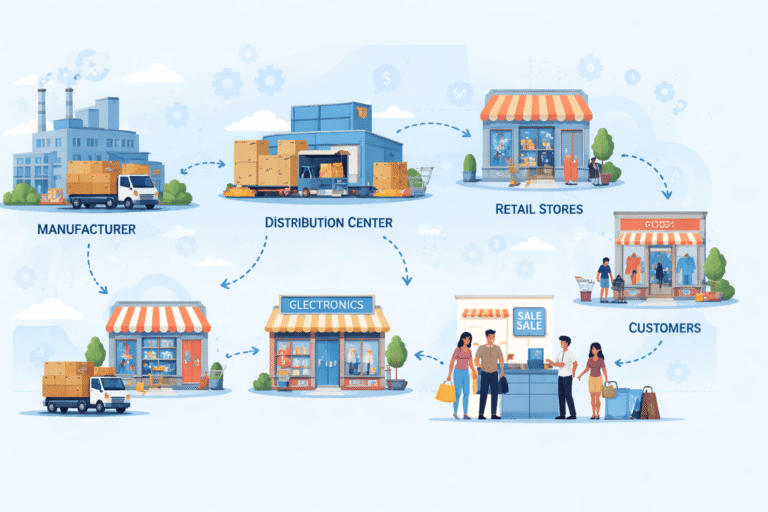
How Retailer Network Actually Works in Real Market
Ground-Level Flow:
- MR generates prescription
- Patient visits retailer
- Retailer checks availability
- If unavailable → substitutes with another brand
- Your brand loses sale permanently
Cause → Effect → Outcome
- No stock at retailer → substitution → lost trust with doctor → reduced prescriptions
What Retailers Actually Care About
From my field audits across cities like Ahmedabad, Indore, and Lucknow:
- Fast-moving brands (high rotation)
- Better margins (15–25% typical expectation)
- Credit flexibility (7–21 days in most cases)
- Regular MR visits (60–70% retailers prefer brands with active field presence)
They are NOT emotionally attached to your brand.
They are profit + convenience driven.

Why Retailer Network is the Backbone of Pharma Franchise Success
Strong vs Weak Retailer Network
| Factor | Strong Network | Weak Network |
|---|---|---|
| Stock Availability | Consistent | Frequently out-of-stock |
| Sales | Predictable | Fluctuating |
| Retailer Trust | High | Low |
| Prescription Conversion | High | Lost to substitutes |
| Cash Flow | Stable | Disrupted |

Step-by-Step Process to Build a Strong Retailer Network
1. Market Mapping
Start by identifying:
- High-footfall medical stores
- Hospitals-attached pharmacies
- Area-wise top retailers
In semi-urban markets, top 20 retailers control 60% of local sales.
2. Retailer Segmentation
Divide into:
- A Category: High-volume retailers
- B Category: Medium sellers
- C Category: Small/local chemists
Focus first on the A + B category for faster traction.
3. First Approach Strategy
Your first visit matters.
Avoid:
- Direct selling
- Over-promising
Instead:
- Introduce your company
- Show product samples
- Highlight margins + schemes
In most markets, retailer conversion takes 7–15 days on average.
4. Trust Building
This is where most fail. “In markets like Ahmedabad, retailer trust takes at least 2–3 visits minimum.”
Do:
- Follow-up regularly
- Deliver commitments on time
- Avoid stock delays
5. Stock Placement
Initial placement is critical.
Start with:
- Limited SKUs (tablets, syrups, antibiotics)
- Fast-moving molecules
If you push the full product range initially → retailer refuses.
6. Repeat Order System
This is where real business begins.
Ensure:
- Regular MR visits
- Prescription generation
- Stock monitoring
If your stock doesn’t rotate in 15–20 days, the retailer stops reordering.
7. Relationship Retention
Long-term growth depends on:
- Payment flexibility
- Problem resolution
- Personal connection
Retailers prefer responsive distributors over big brands with poor service.

Real Benefits of Strong Retailer Relationships
Benefits
A strong retailer network ensures faster product acceptance because chemists are more willing to try and stock brands from trusted distributors. It naturally leads to higher repeat orders as products move consistently through prescriptions and customer demand. Better shelf visibility increases your brand presence, making it easier for retailers to recommend your medicines. Additionally, it significantly reduces substitution, helping you retain sales and build long-term brand recall in the market.
Conditions
To achieve these benefits, continuous follow-up with retailers is essential to maintain engagement and ensure stock movement. Meeting margin expectations is equally important, as retailers prioritize products that offer better profitability. Maintaining strict credit discipline helps avoid payment delays and keeps your cash flow stable. Without these conditions, even a well-established retailer network can lose efficiency and impact your overall business growth.
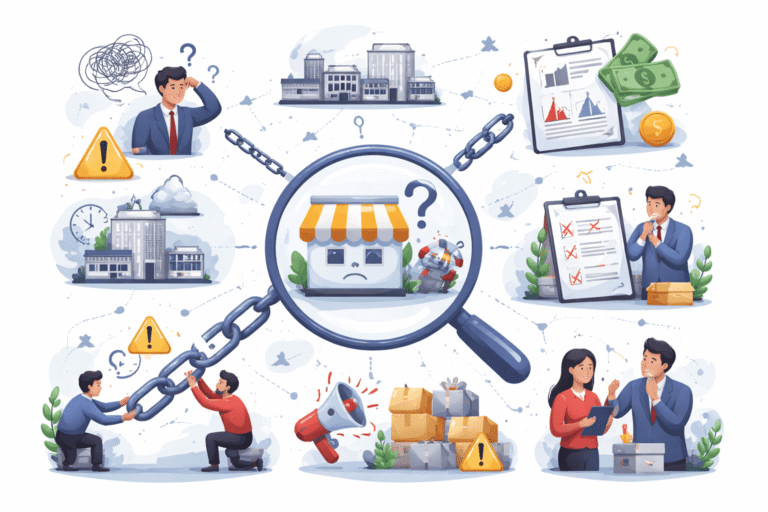
Hidden Challenges & Failure Reasons in Retailer Network Building
1. Over-dependence on Doctors
Most new distributors make the mistake of focusing only on doctors while ignoring retailers. Even if prescriptions are generated, without proper stock availability at chemist shops, sales simply don’t happen. In real market conditions, retailers often substitute brands if your product is unavailable. This results in lost sales, reduced brand trust, and eventually lower prescription support from doctors.
2. Poor Credit Management
Credit mismanagement is one of the biggest reasons for business instability in pharma distribution. When retailers delay payments, your working capital gets blocked, making it difficult to purchase fresh stock from the company. This creates a cycle where supply gets disrupted, retailer confidence drops, and overall business growth slows down due to cash flow issues.
3. Low Product Rotation
Low product movement usually happens due to weak MR activity and lack of prescription generation. When stock doesn’t rotate within a specific time, it increases the risk of expiry, especially in categories like antibiotics and syrups. As a result, retailers become hesitant to reorder your products, leading to reduced shelf space and eventual removal of your brand from their store.
4. Unrealistic Company Promises
Many pharma companies attract distributors by promising monopoly rights, high margins, and strong marketing support—often positioning themselves as a Leading PCD Pharma Franchise in India . However, the ground reality is often different, with overlapping distributors in the same area and limited MR activity. Additionally, constant pressure to offer schemes and discounts reduces your profitability. This gap between promises and reality creates frustration and affects long-term business sustainability.

What Most Pharma Companies Won’t Tell You About Retailer Network
1. Monopoly is Mostly a Myth
Even if a company provides monopoly rights on paper, the real market scenario is often different. In high-demand areas, companies indirectly appoint multiple distributors or supply through alternate channels. This creates internal competition and reduces your control over the territory. As a result, price wars, margin pressure, and retailer confusion increase, affecting your overall business stability.
2. Retailer Loyalty is Temporary
Retailers are not permanently loyal to any brand; their decisions are driven by profit and convenience. If your margins drop, stock availability becomes inconsistent, or competitors offer better schemes, retailers quickly switch brands. This makes it essential to continuously maintain relationships, ensure supply, and stay competitive in pricing and benefits.
3. Hidden Pressure of Schemes
To push your products in the market, you often need to offer attractive schemes like discounts, bonus quantities, or free goods. While these help in increasing sales and retailer interest, they also reduce your profit margins significantly. Over time, this creates pressure on your earnings and makes it difficult to sustain profitability without increasing volume consistently.

Real Case Scenarios
Case 1: ₹2 Lakh Investment Failure
A new distributor invested ₹2 lakh in stock.
Problem:
- No retailer onboarding strategy
- Focus only on doctors
Outcome:
- Retailers refused repeat orders
- Stock expired
Case 2: Credit Cycle Trap
Distributor gave:
- 30-day credit
Retailers delayed payments to 60 days.
Effect:
- Cash flow blocked
- Unable to restock
Case 3: Successful Hybrid Strategy
Distributor combined:
- Doctor prescription generation
- Retailer relationship building
Result:
- 3x growth in 6 months
- Strong repeat orders

Who Should & Should NOT Focus on Retailer Network Strategy
Should Focus:
- New distributors entering PCD pharma business in India
- Those planning starting a pharma franchise
- Businesses facing low repeat orders
Should NOT Ignore:
- Anyone relying only on doctors
- Those expecting quick returns
- Distributors avoiding fieldwork

Actionable Framework for Retailer Network Management
Step 1: Market Mapping
Start by identifying top-performing retailers in your target area who generate maximum sales and have strong customer flow. Focus on medical stores near hospitals, clinics, and high-traffic locations. This helps you target the right outlets instead of wasting time on low-potential shops.
Step 2: Retailer Segmentation
Divide retailers into A, B, and C categories based on their sales volume and influence. Prioritize A and B category stores as they contribute the majority of business and can drive faster product movement. This approach ensures a better return on your time and investment.
Step 3: First Approach Strategy
Your first interaction should focus on building credibility rather than pushing sales aggressively. Introduce your company, explain product quality, and highlight margins and support. A trust-based approach increases the chances of retailer acceptance.
Step 4: Trust Building
Consistency is key to winning retailer confidence, which requires multiple visits and regular follow-ups. Deliver on your commitments, ensure timely supply, and stay responsive to their needs. Over time, this builds a strong and reliable relationship.
Step 5: Stock Placement
Start with a limited range of fast-moving products instead of placing your entire portfolio. This reduces the retailer’s risk and increases the chances of quick rotation. Once trust is established, you can gradually expand your product range.
Step 6: Repeat Order System
Ensure continuous product movement by supporting retailers with MR activity and prescription generation. Monitor stock levels regularly and follow up before products run out. A strong repeat order system is essential for stable and growing sales.
Step 7: Relationship Retention
Maintain long-term relationships by managing credit carefully, resolving issues quickly, and staying connected with retailers. Regular communication and support help retain trust and prevent them from shifting to competitors. Strong relationships lead to consistent business growth.
Expert Mistakes to Avoid
Ignoring Retailer Feedback
Ignoring retailer feedback is a major mistake that can directly impact your product movement. Retailers understand customer demand, pricing sensitivity, and competitor performance better than anyone on the ground. When you fail to listen to their input, you risk stocking the wrong products or missing market trends. This leads to slow sales, reduced trust, and eventual rejection of your brand.
Pushing Full Product Range Initially
Trying to push your entire product portfolio in the beginning often backfires. Retailers are hesitant to invest in unknown brands, especially in large quantities. This increases their risk of unsold or expired stock. Starting small with fast-moving products builds confidence and creates a foundation for gradually expanding your range.
Offering High Credit Without Control
Providing high credit without proper control may attract retailers initially, but it creates serious financial risks. Delayed payments block your working capital and disrupt your ability to restock. Over time, this weakens your supply chain and affects relationships with both retailers and companies. Controlled and disciplined credit is essential for sustainable growth.
Not Tracking Stock Movement
Without tracking stock movement, you have no visibility into which products are performing and which are not. This leads to overstocking slow-moving items and missing opportunities in high-demand categories. Poor tracking increases expiry risks and reduces retailer confidence. Regular monitoring helps maintain a healthy inventory cycle.
Depending Only on Company Claims
Relying solely on company promises like monopoly rights, high margins, or strong support can be misleading. Ground reality often differs, with overlapping distributors and limited field assistance. Blind trust in such claims can lead to poor planning and unexpected competition. Always validate claims through market research and real distributor feedback before making decisions.
Conclusion
Retailer network management is not a one-time activity.
It’s a continuous system of relationship building, trust, and execution.
If you’re serious about succeeding in the pharma franchise business model, remember:
- Retailer is your daily revenue source
- Doctor is your demand generator
- You must balance both
The winners in this industry are not the ones with the biggest investment,
but the ones with the strongest retailer relationships and smartest systems.
How To Build Retailer Network Management In Pharma Franchise : FAQs
1. How long does it take to build a retailer network?
2. How many retailers should I target initially?
3. Should I give credit to retailers?
4. Why do retailers stop ordering?
5. Is the retailer network more important than doctors?
References
ABOUT THE AUTHOR

Mitesh Vyas
My name is Mitesh Vyas, and I am a Pharma Franchise Consultant and Industry Research Analyst specializing in India’s PCD pharma business ecosystem. My work focuses on helping beginners, distributors, and small pharma entrepreneurs understand the real-world functioning of the pharma franchise model. Unlike theoretical content, my insights are based on ground-level observations from Indian pharmaceutical markets, including Tier-1, Tier-2, and Tier-3 cities such as Ahmedabad, Indore, Lucknow, and surrounding business hubs. I regularly share insights on how the pharma franchise business in India works in real market conditions, including investment, product strategy, and growth challenges.