
How To Renew Drug License For Pharma Franchises?: In the PCD pharma franchise in India, most distributors focus heavily on sales, product selection, and doctor conversion—but compliance is often ignored until it becomes a serious problem.
And here’s the harsh reality: Drug license renewal is not just a formality—it’s a business survival checkpoint.
In my experience working with 50+ distributors across cities like Ahmedabad, Indore, and Lucknow, I’ve seen businesses come to a complete halt simply because renewal was delayed by a few weeks.
What most blogs won’t tell you:
- Renewal delays can stop stock movement immediately
- Even minor documentation errors can trigger rejection
- Inspectors don’t just verify papers—they assess operational compliance
This guide goes beyond theory. It will show you:
- How renewal actually works on ground
- Why most renewals get delayed or rejected
- What practical steps ensure smooth approval
- And how to avoid costly compliance mistakes

Understanding Drug License Renewal in Pharma Franchise
If you are running or starting a pharma franchise in India , your drug license (wholesale or retail) is issued under the Drugs & Cosmetics Act.
Typically:
- Licenses are valid for 5 years (varies slightly by state)
- Renewal must be initiated before expiry
- Late renewal may involve penalty or fresh application
Types of Licenses Relevant
- Wholesale Drug License (WDL)
- Retail Drug License (RDL)
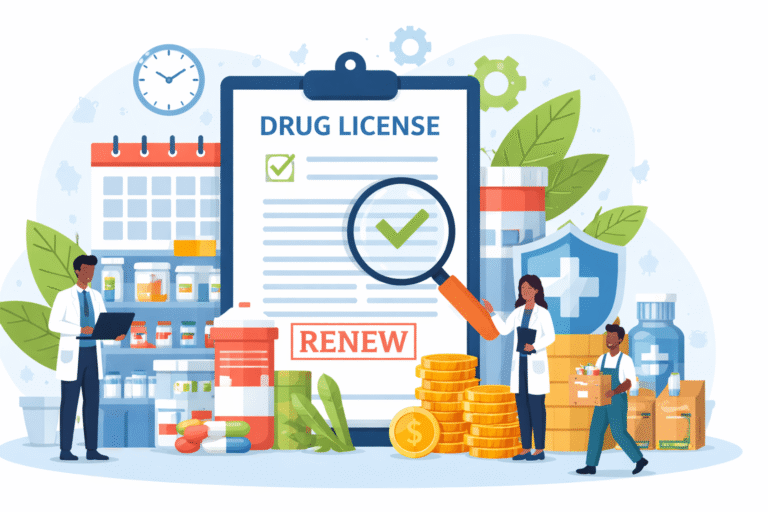
How Drug License Renewal Actually Works in Real Market
How To Renew Drug License For Pharma Franchises?: On paper, renewal seems simple: submit application → verification → approval. But on the ground, the process is very different.
1. Timeline Reality
In real-world scenarios, timing is the biggest factor in smooth renewal. While filing 60–90 days before expiry is ideal, many distributors delay and face last-minute pressure. Processing usually takes 15–45 days, but can stretch due to financial year-end or departmental backlog. Late applications often lead to avoidable stress and risk of business interruption.
2. Documentation Verification
Documentation is the most common point of failure during renewal. Even small mismatches—like address differences, spelling errors in pharmacist details, or expired agreements—can result in file rejection or delays. Authorities cross-check every detail carefully, so accuracy and updated records are critical to avoid unnecessary rework.
3. Inspection Reality
Inspections are not always mandatory, but when they happen, they go beyond paperwork. Drug inspectors focus on practical compliance like storage conditions, expiry handling, stock records, and billing systems. In real markets, operational discipline often matters more than perfect documentation during these checks.
4. Approval & Renewal Certificate
Once your application is approved, the license is renewed and validity is extended either digitally or physically. However, many distributors assume the process is automatic after submission. In reality, lack of follow-up can delay final approval, keeping your file stuck even after clearance stages.

Benefits of Timely Renewal
If done correctly
- Business continuity (no interruption in billing)
- Smooth stock movement
- Better credibility with pharma companies
- No penalty or legal complications
But here’s the condition
Timely renewal only works if:
- Documentation is clean
- Compliance is maintained
- Follow-ups are consistent

Hidden Challenges & Common Reasons for Renewal Failure
1. Late Application Filing
Many first-time distributors assume renewal can be done anytime before expiry, which is a risky mistake. Even a short delay can trigger penalties and immediately halt billing operations. In real cases, businesses are forced to stop stock movement until renewal is completed, leading to direct revenue loss.
2. Incomplete Documentation
Incomplete or incorrect documents are one of the biggest reasons for renewal delays. Issues like expired rent agreements, unavailable pharmacists, or missing invoices can put your application on hold. Even a single missing document can lead to re-submission and extend the approval timeline significantly.
3. Poor Record Maintenance
Poor documentation practices often become visible during inspection or verification. Unorganized bills, lack of expiry tracking, and improper stock records raise red flags for authorities. This not only delays renewal but can also invite stricter scrutiny in future compliance checks.
4. Ignoring Compliance Until Last Moment
Many distributors treat compliance as a last-minute task instead of a daily practice. Poor storage conditions and improper handling of scheduled drugs create serious compliance gaps. When renewal time comes, fixing these issues quickly becomes difficult, increasing the chances of delay or rejection.
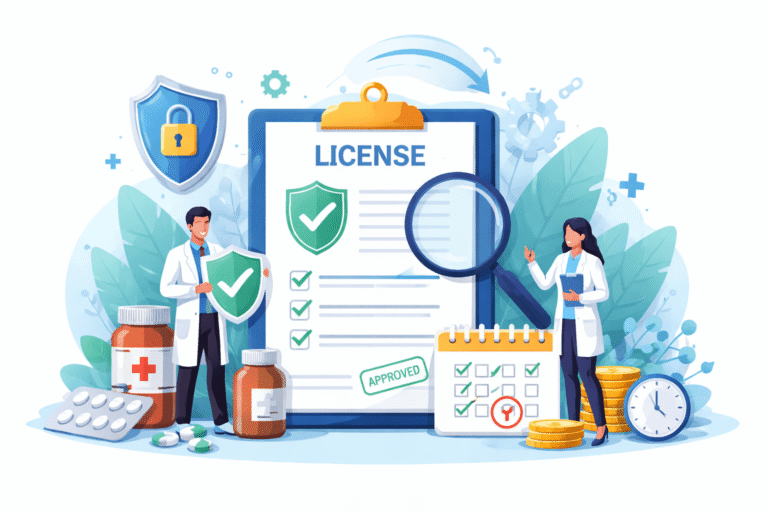
What Most Authorities Won’t Tell You About Drug License Renewal
1. Files Don’t Move Automatically
Even after submission:
- Files may sit idle without follow-up
- Physical verification delays are common
Informal follow-ups are often required.
2. Inspection Is Not Always Scheduled Transparently
Inspectors may:
- Visit without prior notice
- Check beyond basic documents
Being “always ready” is safer than waiting for inspection.
3. Minor Issues Can Be Ignored—or Highlighted
In my experience:
- A well-maintained setup gets smoother clearance
- Poorly managed setups attract stricter scrutiny
Compliance attitude matters as much as documents.
4. Local Practices Differ
In cities like Ahmedabad vs smaller towns:
- Processing speed
- Inspection strictness
- Documentation expectations
vary significantly.

Real Case Scenarios
Case 1: Missed Deadline → Business Halt
A distributor delayed renewal thinking: “I’ll do it next week”
Result:
- License expired
- Billing stopped immediately
- Stock movement halted
Loss:
- 20–25 days of business
- Damaged relationships with retailers
Case 2: Document Mismatch → 30-Day Delay
Issue:
- Rent agreement address mismatch
Result:
- Application rejected
- Re-submission required
Outcome:
- 30–45 days delay
- Extra cost + lost sales
Case 3: Inspection Failure
Inspector found:
- Poor storage conditions
- Expired stock not segregated
Result:
- Renewal put on hold
Compliance correction required before approval

Step-by-Step Renewal Strategy
Step 1: Track Expiry Timeline
Always monitor your license validity well in advance. Setting a reminder at least 90 days before expiry gives you enough buffer to prepare documents and avoid last-minute pressure. Waiting until the final month increases the risk of delays, penalties, and business disruption.
Step 2: Document Checklist Verification
Before applying, thoroughly verify all required documents. Ensure your rent agreement is valid, pharmacist registration is active, and records are properly maintained. Even minor gaps can delay the process, so a clean and updated file is essential for smooth approval.
Step 3: Application Filing
Submit your renewal application through the state FDA portal or offline, depending on your region. Carefully review all details before submission, as small errors in entries can lead to rejection or unnecessary follow-ups.
Step 4: Inspection Readiness
Prepare your premises for possible inspection, even if it’s not confirmed. Maintain proper storage conditions, keep stock well-organized, and ensure billing records are updated. Being inspection-ready at all times reduces the chances of compliance issues.
Step 5: Follow-Up & Approval Tracking
After submission, actively track your application status and stay in touch with the department if required. Many files get delayed due to lack of follow-up. Consistent tracking and coordination can significantly speed up approval and reduce delays by 30–40% in real cases.
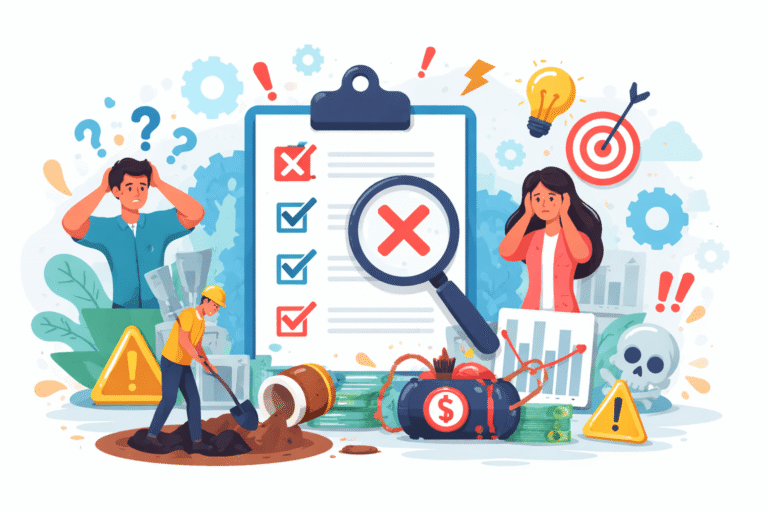
Expert Mistakes to Avoid
Waiting Till Last Month
Delaying renewal preparation until the final month creates unnecessary pressure and increases the risk of missing deadlines. In many real cases, this leads to rushed documentation, errors, and even temporary business shutdown.
Ignoring Documentation Accuracy
Small errors in documents—like mismatched details or expired agreements—can cause rejection or delays. Many distributors underestimate how strictly authorities verify records, leading to avoidable rework.
Poor Stock & Expiry Management
Improper tracking of stock and expiry dates is one of the most common compliance gaps seen during inspections. When expiry products are not properly segregated or recorded, it raises serious concerns for drug inspectors. This often leads to delays in renewal or additional queries from authorities. Over time, it also damages your credibility as a compliant distributor. Maintaining clear stock records and expiry tracking is essential for smooth approval.
Assuming Renewal Is Automatic
Many distributors mistakenly believe that once the application is submitted, renewal will happen automatically. In reality, the process requires active involvement, including correct documentation and regular follow-ups. Files can remain pending for weeks if not tracked properly. This assumption often leads to unexpected delays and business disruption. Renewal should be treated as an active process, not a passive one.
Not Maintaining Compliance Year-Round
Treating compliance as a one-time task instead of a continuous process creates major issues during renewal. Poor storage conditions, incomplete records, and unmanaged processes become difficult to fix at the last moment. This results in stress, delays, and higher chances of rejection. Consistent compliance throughout the year ensures you are always inspection-ready. It makes the renewal process smooth, predictable, and hassle-free.
Conclusion
How To Renew Drug License For Pharma Franchises: Renewing a drug license is not just a regulatory task—it’s a critical business continuity process in the pharma franchise business model.
From my on-ground experience:
- Most problems are preventable
- Delays are usually due to negligence, not system failure
- Consistent compliance is the real key
If you treat renewal as a routine system-driven process, not a last-minute task, you will:
- Avoid business interruptions
- Build credibility
- Scale your pharma operations smoothly
How To Renew Drug License For Pharma Franchises?: FAQs
1. When should I apply for drug license renewal?
2. What happens if my drug license expires?
3. How long does renewal take?
4. Is inspection mandatory for renewal?
5. Can I run my pharma franchise without renewal?
References
ABOUT THE AUTHOR

Mitesh Vyas
My name is Mitesh Vyas, and I am a Pharma Franchise Consultant and Industry Research Analyst specializing in India’s PCD pharma business ecosystem. My work focuses on helping beginners, distributors, and small pharma entrepreneurs understand the real-world functioning of the pharma franchise model. Unlike theoretical content, my insights are based on ground-level observations from Indian pharmaceutical markets, including Tier-1, Tier-2, and Tier-3 cities such as Ahmedabad, Indore, Lucknow, and surrounding business hubs. I regularly share insights on how the pharma franchise business in India works in real market conditions, including investment, product strategy, and growth challenges.